
P2RC Blog

Experiential Learning as Restorative Pedagogy: Building Community and Engagement in Schools
Our communications manager Rachel Saudek has a really cool day job. She has been working for a sailing non-profit in the San Francisco Bay that brings students from all over the Bay Area out to experience life on the water and learn about their local ecology from a new perspective. During one of our Zoom meetings, we three mused over the many connections between experiential learning and the Restorative approach, and this blog was born.
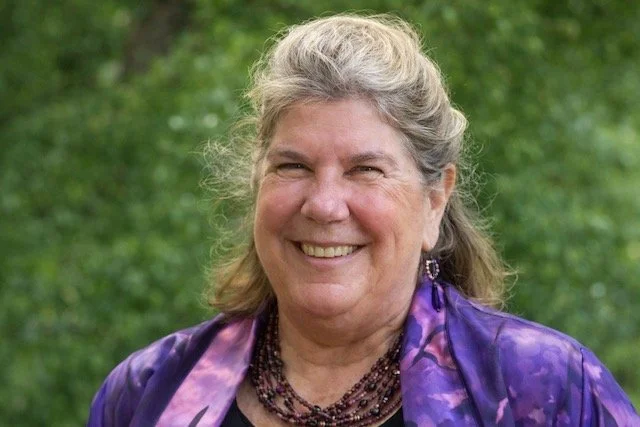
From Local Initiatives to National Reach: How P2RC Expanded Restorative Practices
Restorative Justice Practices provide tools to address one another when we don’t agree, as well as providing opportunities to create a sense of community among circle participants. The growing interest in these practices gives me hope.

Applying Mindfulness in Schools Through Restorative Practices and Circles
In Restorative Practices we apply mindfulness every time we sit down to participate in a circle or a restorative conversation. In fact, mindfulness is essential for the success of a restorative process in a number of ways–through active listening, speaking from the heart, and remaining open to others' truths.
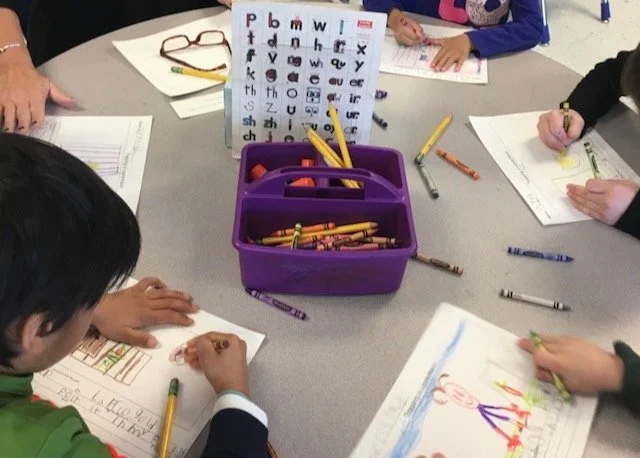
Restorative Classroom Management
Restorative classrooms ask questions rather than punish, include rather than exclude, and build cooperation and student buy-in in the process.
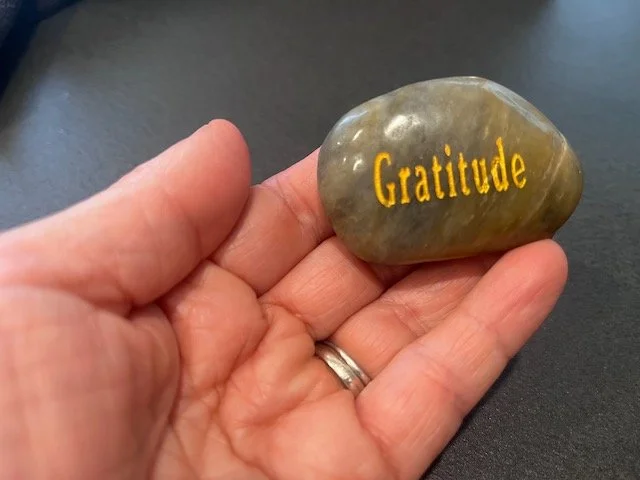
The Role of the Circle Keeper
What does it mean to be a Circle Keeper? What do they do and why are they important? In Restorative Practices, both talking circles and circles to address harm are facilitated by a Circle Keeper who is responsible for guiding the group through a process that helps all feel comfortable participating and directs the conversation toward its intended purpose.
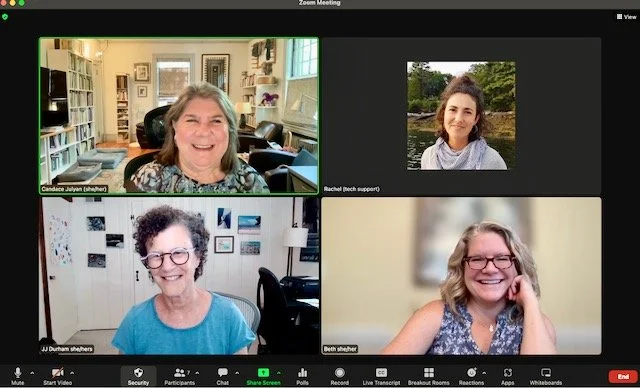
Success Stories: Implementing Restorative Practices During the Pandemic
Here we share two stories of how individuals implemented Restorative Practices with heart and creativity this year, after attending our trainings in Restorative Practices and Circle Keeping.
The Role of Restorative Practices in Trauma-Informed Schools
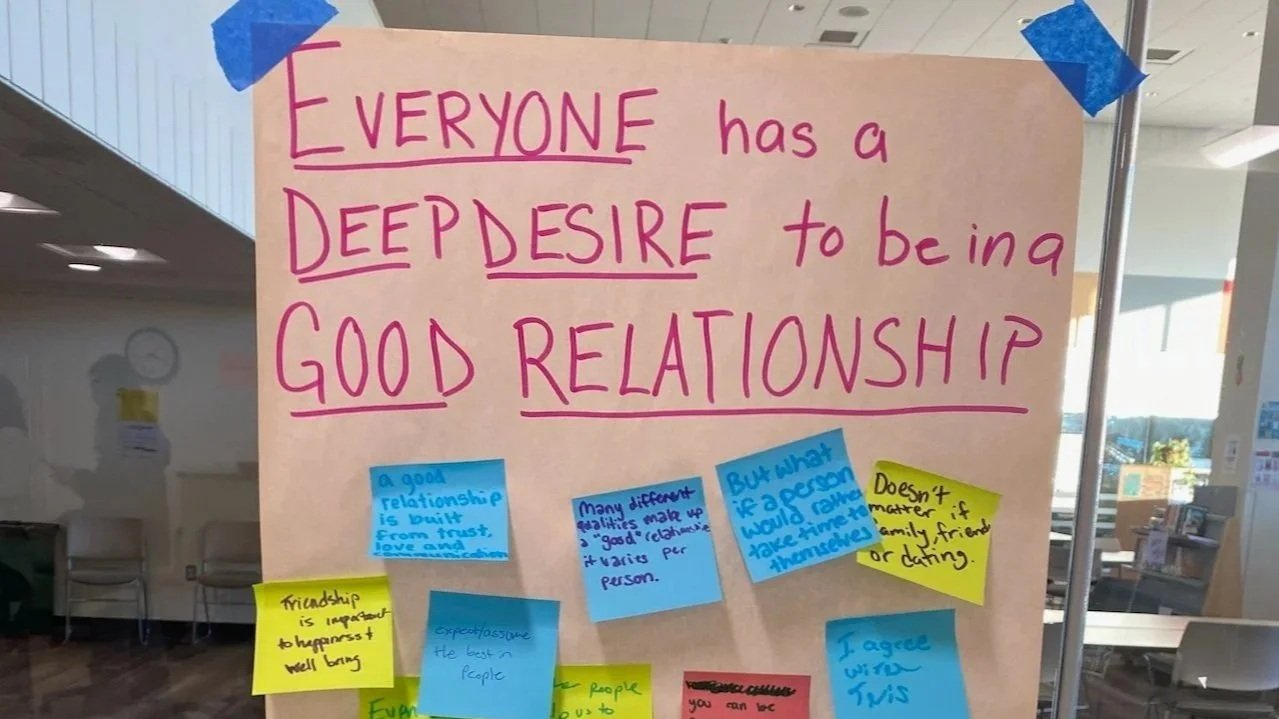
Chronic trauma can cause serious problems with learning and behavior. Students who act out due to anxiety and/or trauma need safe, supportive consistent classrooms and a respectful, consistent and collaborative approach to discipline.
How to Create Circle Questions for Classroom Learning
Circles are not just for SEL lessons and Advisory!
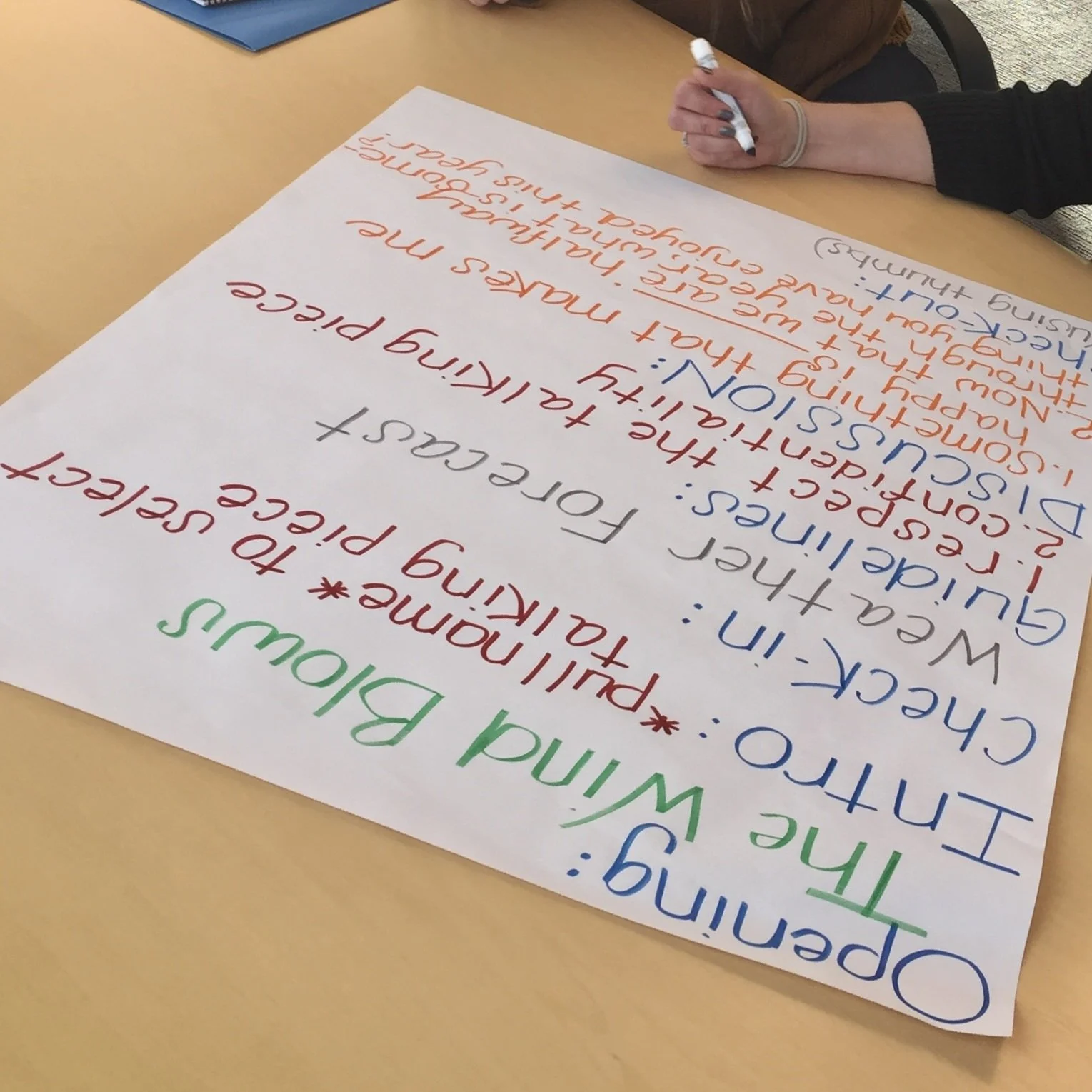
Circle are incredibly versatile. They can be used to discuss content, reflect on learning approaches and learning style, provide structure to both small and large group discussions and give teachers the opportunity to hear from every student.
The Value of Utilizing Circles in Academic Classrooms
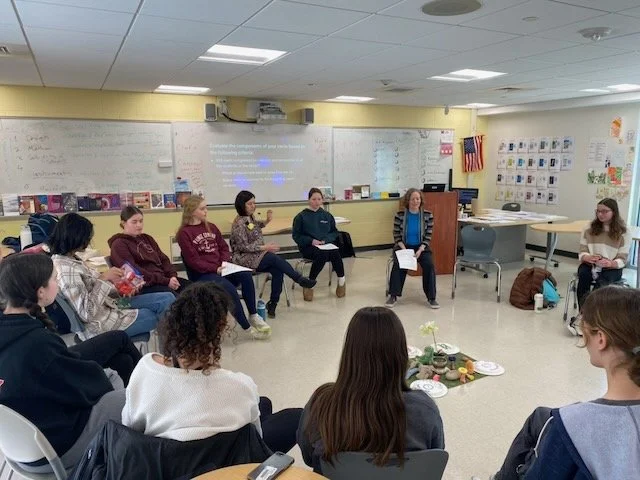
Incorporating circles into academic classrooms brings a range of benefits, including supporting the goals of SEL and PBIS. A circle can take 10 minutes at the beginning or end of class, or the entire class period if it complements the learning material.
How Restorative Practices Helped Schools and Communities in 2020
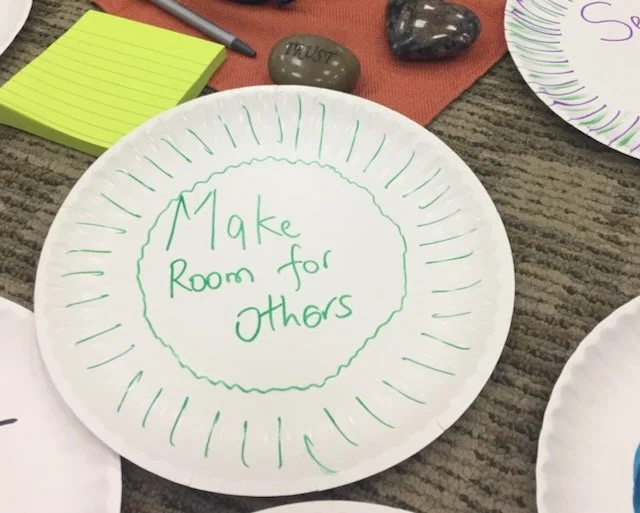
In this unprecedented year, we saw how Restorative Practices were essential to the resilience and transformation required by so many schools & communities.
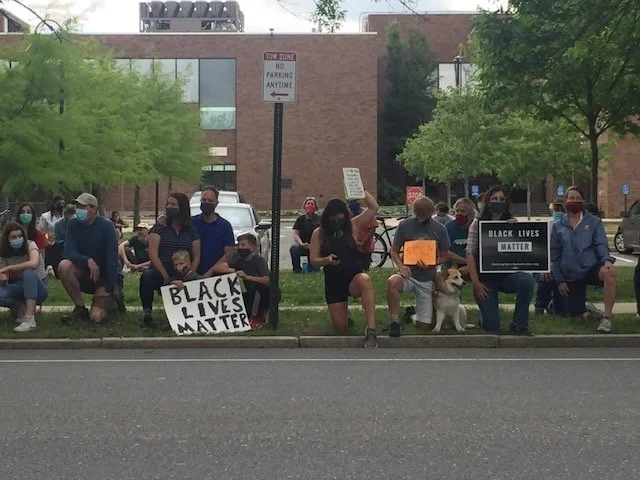
Restorative Practices and the Movement for Racial Justice: P2RC Responds to This Moment
Restorative Practices can begin to create racial equity by building authentic relationships and through listening to the experiences and stories of those harmed by systemic racism. At this critical time, it is especially important to make space for the stories of our black, brown and indigenous brothers and sisters.
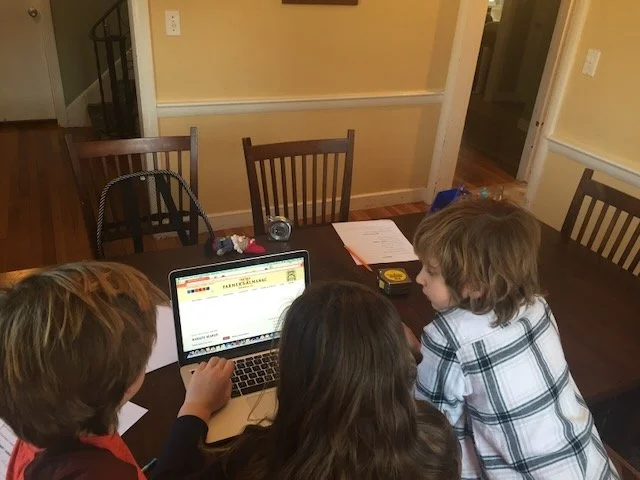
Teaching and Learning: Sharing Ideas from Quarantine
Adjusting to this demanding situation has been difficult. How to continue to educate the nation’s children is a specific challenge. For many teachers this has been a crash course on distance learning; for many parents this has been a window into the daily work of teachers; and for many students it has been an experience of loss—of friends, of resources, of daily rituals. We asked educators we work with to share both the challenges and the successes they are experiencing in this “anything but normal” time. Much of what they shared may be quite familiar and offers some comfort that we are all in this together. Some of what they shared may give you new ideas and inspiration.