
P2RC Blog
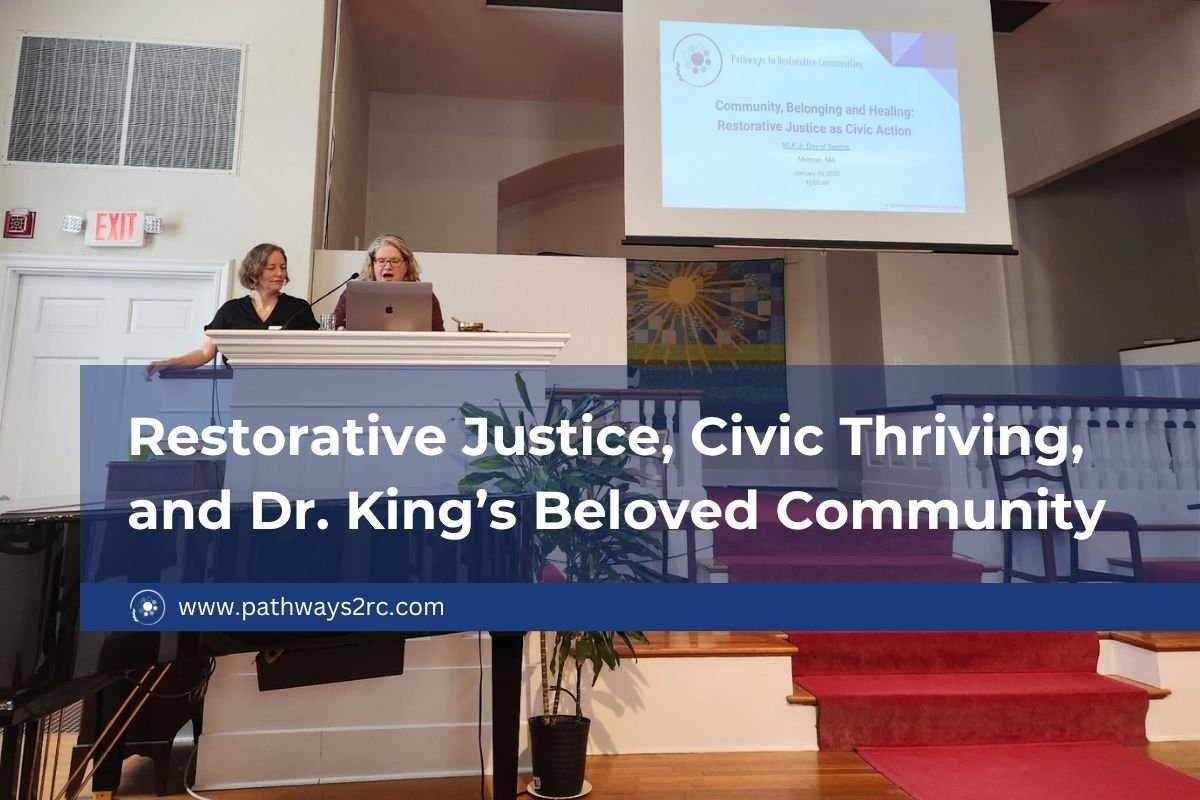
Restorative Justice, Civic Thriving, and Dr. King’s Beloved Community
We think of Restorative Justice as a tree. The roots are the underlying values and the goals of the Beloved Community. The trunk is made up of the structures that help us embody those values: Restorative Practices, the 18 Civic Learning Journeys, and Dr. King’s six steps for nonviolent social change. Acting with these structures as guides leads to the tree’s canopy, where we have healing, belonging, and community, which ultimately moves us closer to the Beloved Community of Dr. King’s vision.
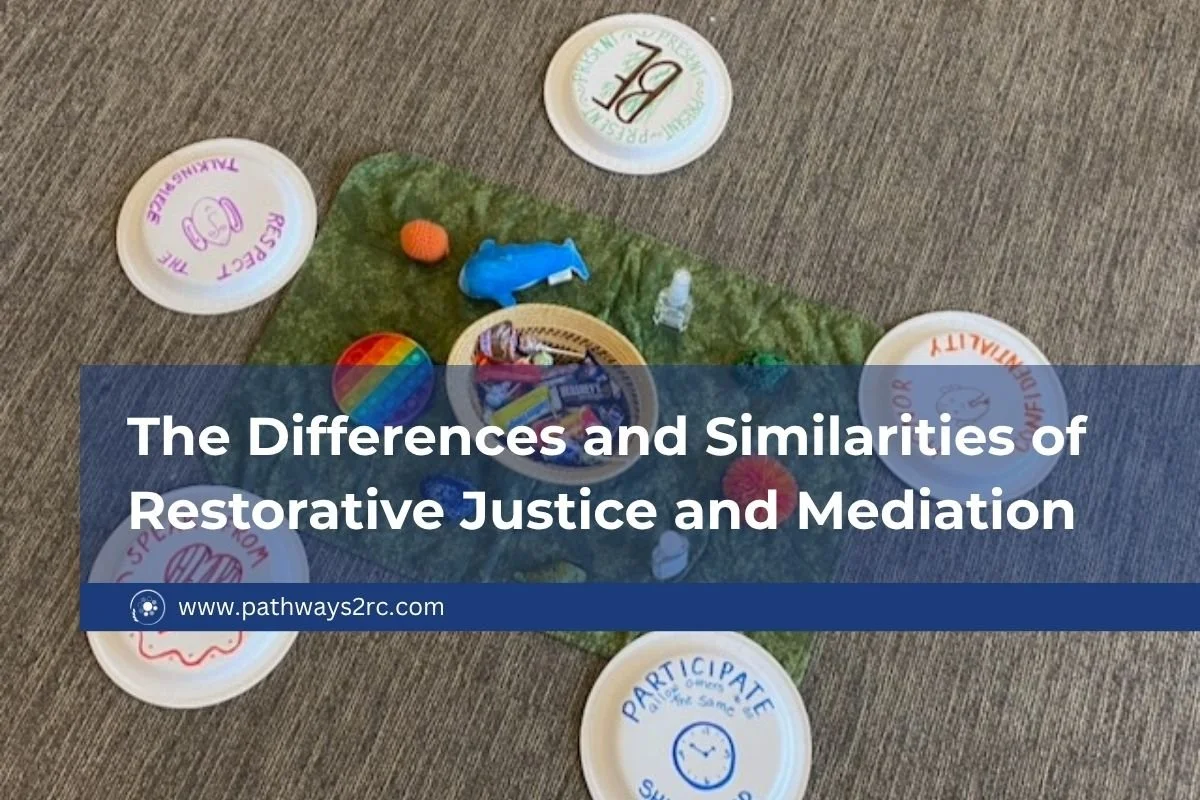
The Differences and Similarities of Restorative Justice and Mediation
Mediation is only one pathway to conflict resolution. An alternative approach, the Restorative Justice approach, centers the relationship itself—ensuring that every person involved is treated with dignity, listened to fully, and given space to share how they have been affected. This restorative model broadens the focus beyond just solving the problem to repairing harm, rebuilding trust, and supporting the well-being of everyone involved.

Experiential Learning as Restorative Pedagogy: Building Community and Engagement in Schools
Our communications manager Rachel Saudek has a really cool day job. She has been working for a sailing non-profit in the San Francisco Bay that brings students from all over the Bay Area out to experience life on the water and learn about their local ecology from a new perspective. During one of our Zoom meetings, we three mused over the many connections between experiential learning and the Restorative approach, and this blog was born.
From Local Initiatives to National Reach: How P2RC Expanded Restorative Practices
Restorative Justice Practices provide tools to address one another when we don’t agree, as well as providing opportunities to create a sense of community among circle participants. The growing interest in these practices gives me hope.
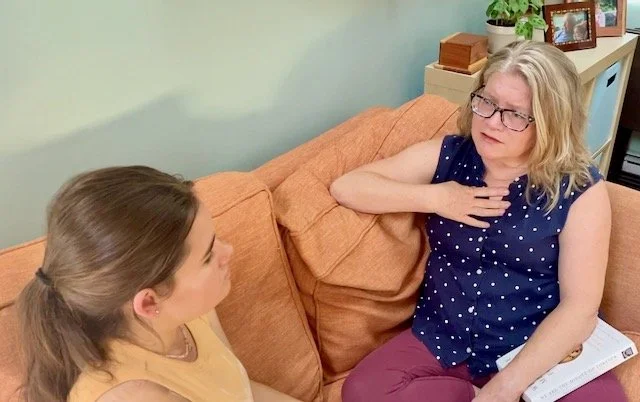
Restorative Practices at Home: Raising Resilient Kids Through Connection and Curiosity
Restorative Practices help to build, maintain, and repair relationships between individuals living, working and functioning as a community. They foster communication and increase mutual understanding and empathy, leading to an overall sense of connection and increasing the capacity to handle conflict in a way that promotes growth and repairs relationships.
Building Capacity to Address Conflict and Create Community Resiliency
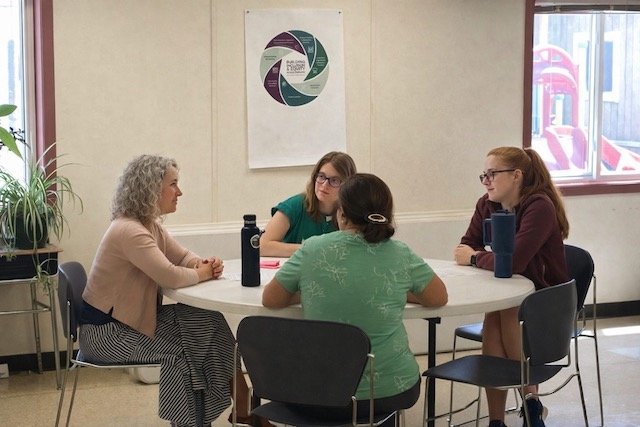
In some cases, our focus becomes to teach Restorative Practices skills to a small group of individuals within the community, so that they are empowered to use these tools as needed going forward. This is capacity building: the process of developing a community’s ability to address issues in a way that will help them fulfill their mission.
The Role of the Circle Keeper
What does it mean to be a Circle Keeper? What do they do and why are they important? In Restorative Practices, both talking circles and circles to address harm are facilitated by a Circle Keeper who is responsible for guiding the group through a process that helps all feel comfortable participating and directs the conversation toward its intended purpose.
The Role of Restorative Practices in Trauma-Informed Schools
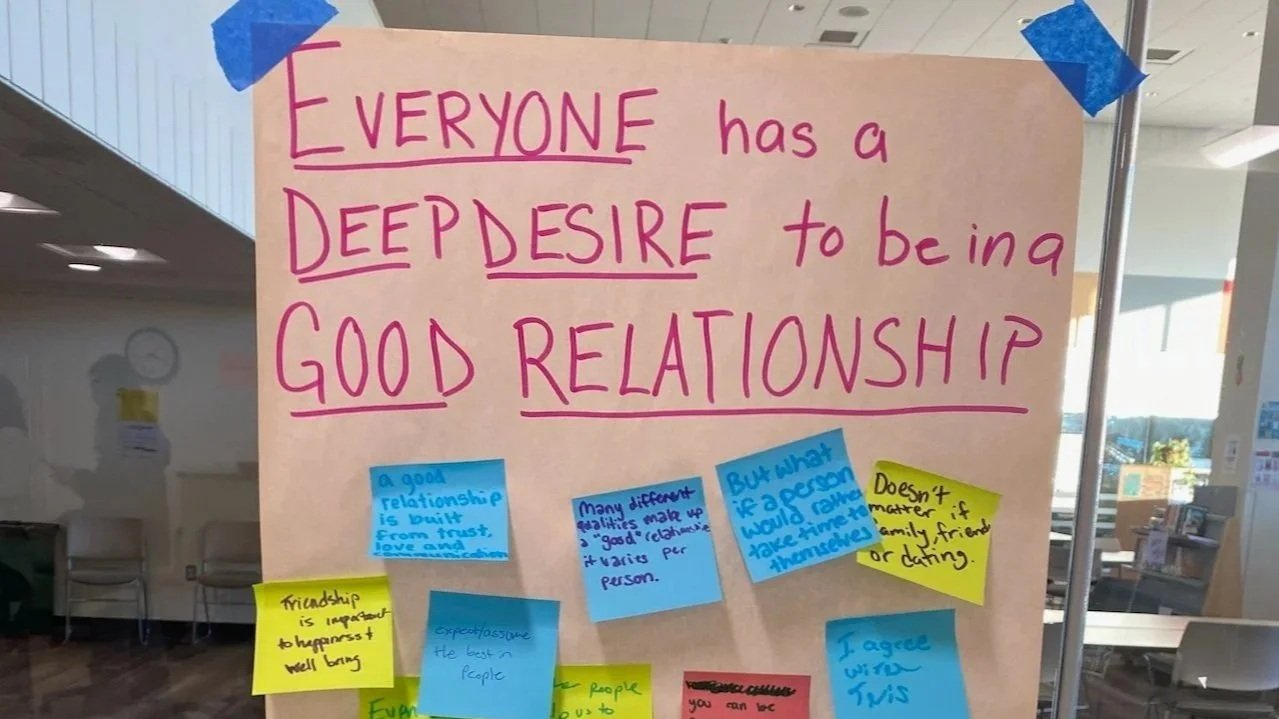
Chronic trauma can cause serious problems with learning and behavior. Students who act out due to anxiety and/or trauma need safe, supportive consistent classrooms and a respectful, consistent and collaborative approach to discipline.
How Restorative Practices Helped Schools and Communities in 2020
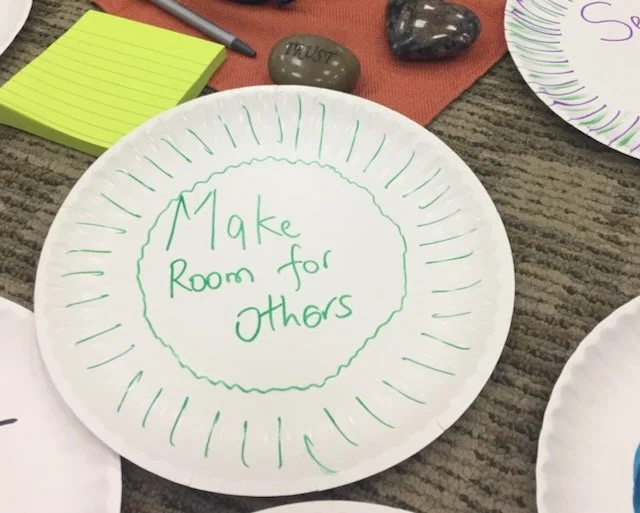
In this unprecedented year, we saw how Restorative Practices were essential to the resilience and transformation required by so many schools & communities.
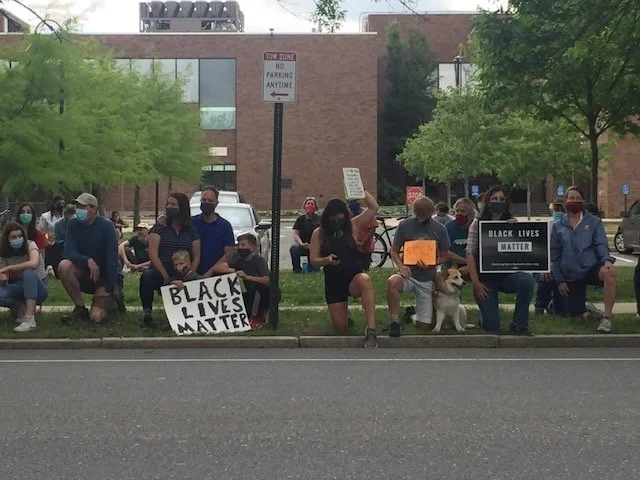
Restorative Practices and the Movement for Racial Justice: P2RC Responds to This Moment
Restorative Practices can begin to create racial equity by building authentic relationships and through listening to the experiences and stories of those harmed by systemic racism. At this critical time, it is especially important to make space for the stories of our black, brown and indigenous brothers and sisters.
How Restorative Practices Address Exclusionary Discipline and the School-to-Prison Pipeline
Research has revealed that suspension for non-violent offenses, particularly repeated suspension, has a limited effect on improving behavior and adversely affects achievement. In addressing these findings, school leaders in Massachusetts and across the U.S. found that improving school climate through positive behavioral interventions, including restorative practices, resulted in much better outcomes for students.
Restorative Justice: What is it?
How do we respond to injustice and wrongdoing--as individuals, as a group, as a community or society? For many, the response is that there are punishments for breaking rules. That has become our norm in the courts, in schools, and often in families. For several decades now, there has been an increasing awareness of other approaches to wrongdoing based on the ideas of Indigenous Peoples around the globe.