
P2RC Blog
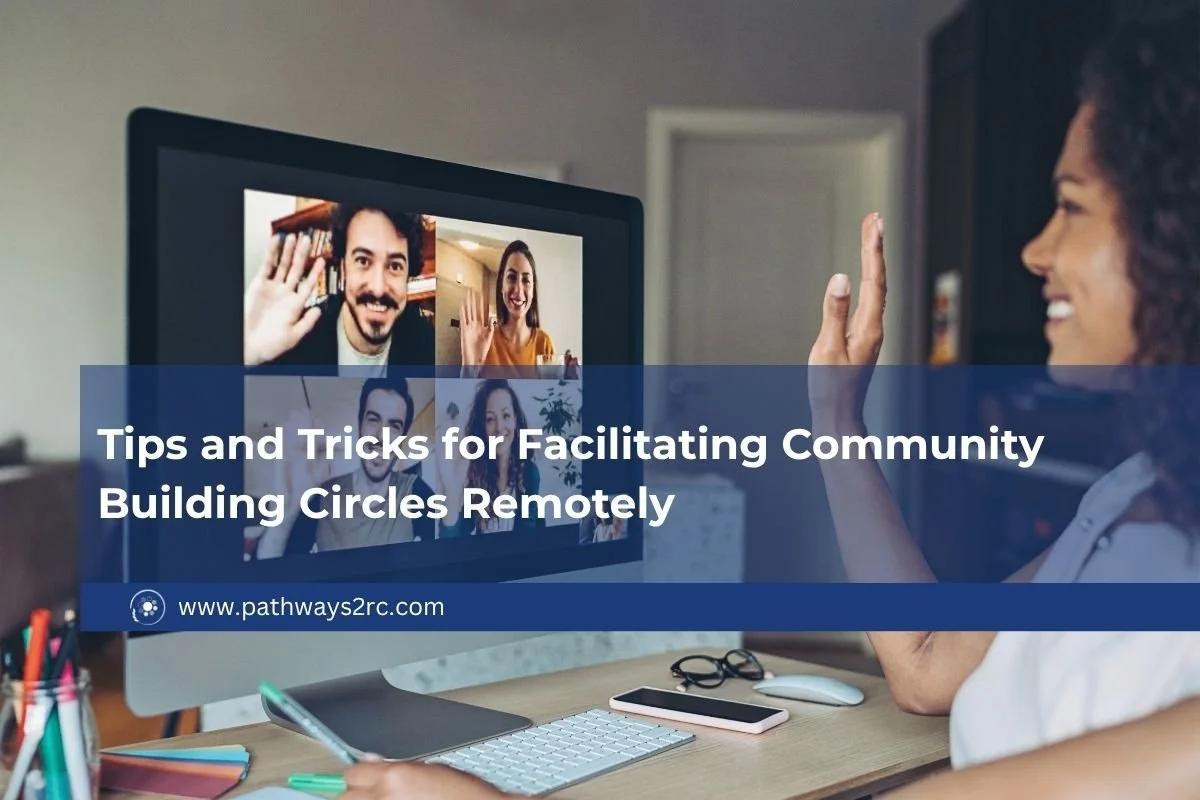
Tips and Tricks for Facilitating Community Building Circles Remotely
We can all agree that community building circles are best done in person, where we can easily note non-verbal cues, “read the room” as we answer prompts, and physically touch the talking piece. That being said, it is entirely possible to hold engaging, warm, and relational community building circles online.
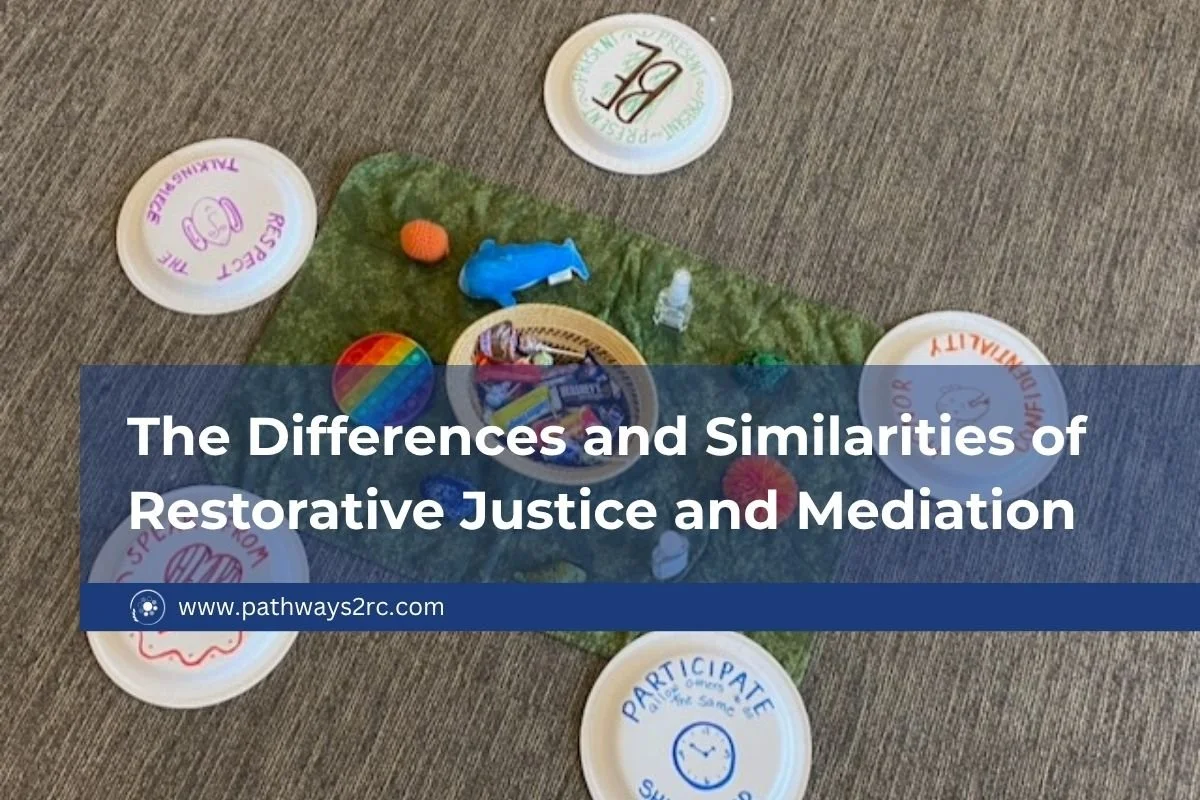
The Differences and Similarities of Restorative Justice and Mediation
Mediation is only one pathway to conflict resolution. An alternative approach, the Restorative Justice approach, centers the relationship itself—ensuring that every person involved is treated with dignity, listened to fully, and given space to share how they have been affected. This restorative model broadens the focus beyond just solving the problem to repairing harm, rebuilding trust, and supporting the well-being of everyone involved.
From Local Initiatives to National Reach: How P2RC Expanded Restorative Practices
Restorative Justice Practices provide tools to address one another when we don’t agree, as well as providing opportunities to create a sense of community among circle participants. The growing interest in these practices gives me hope.
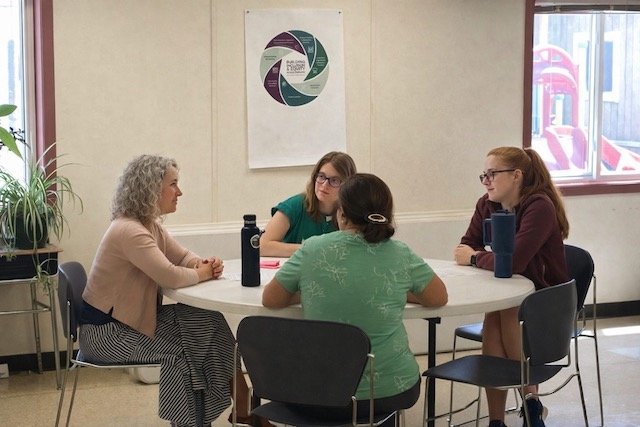
Building Capacity to Address Conflict and Create Community Resiliency
In some cases, our focus becomes to teach Restorative Practices skills to a small group of individuals within the community, so that they are empowered to use these tools as needed going forward. This is capacity building: the process of developing a community’s ability to address issues in a way that will help them fulfill their mission.

The Role of the Circle Keeper
What does it mean to be a Circle Keeper? What do they do and why are they important? In Restorative Practices, both talking circles and circles to address harm are facilitated by a Circle Keeper who is responsible for guiding the group through a process that helps all feel comfortable participating and directs the conversation toward its intended purpose.
Restorative Practices in the Workplace
A highly supportive work culture provides the safety to learn and grow, raise concerns, and try new things. Restorative Practices provide a process for establishing group norms, managing expectations, and developing the interpersonal skills essential for collaboration.
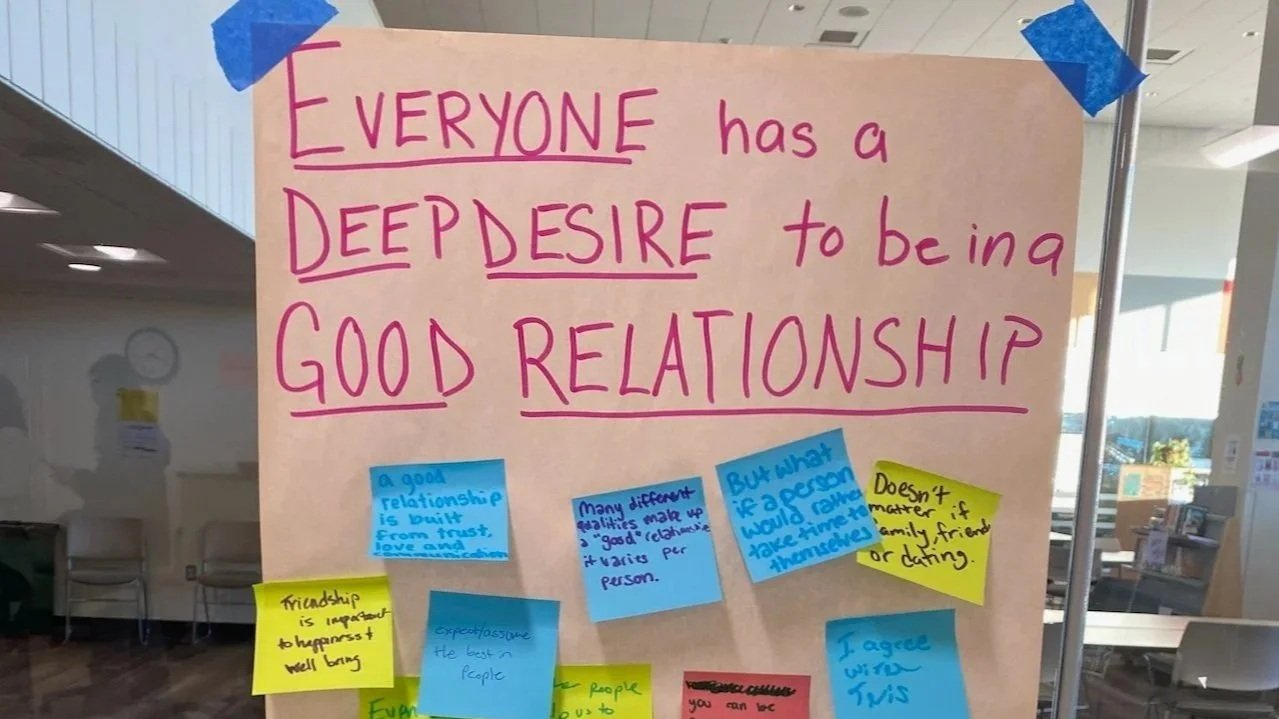
The Role of Restorative Practices in Trauma-Informed Schools
Chronic trauma can cause serious problems with learning and behavior. Students who act out due to anxiety and/or trauma need safe, supportive consistent classrooms and a respectful, consistent and collaborative approach to discipline.
Restorative Justice: What is it?
How do we respond to injustice and wrongdoing--as individuals, as a group, as a community or society? For many, the response is that there are punishments for breaking rules. That has become our norm in the courts, in schools, and often in families. For several decades now, there has been an increasing awareness of other approaches to wrongdoing based on the ideas of Indigenous Peoples around the globe.