
Communities
Grounded in the values and principles of Restorative Justice, Restorative Practices offer a powerful framework for building healthy communities and conflict resolution. Many organizations—from faith organizations to civic groups—are using Restorative Practices to strengthen communication, deepen trust, and create spaces where people feel connected and valued.
Rather than waiting for unresolved issues to escalate, Restorative Practices provide a proactive process for addressing everyday tensions, facilitating difficult conversations, and supporting meaningful connection. This approach allows participants to hear diverse perspectives, solve problems collaboratively, and engage in equitable decision-making while building, maintaining, and repairing relationships across the community.
When serious conflict does arise, restorative circles support resolution in ways that de-escalate tension and repair relationships. Groups and organizations that employ restorative processes for conflict mediation save both time and resources. Rather than isolating angry group members or relying on costly legal interventions, communities can remain in “right relationship” with one another and then return their focus to the work (or play!) at hand.
If your organization is ready to improve communication, reduce conflict, support stronger leadership, and build a healthier community, we can help. Scroll down to learn how Restorative Practices can support your community group.
Training
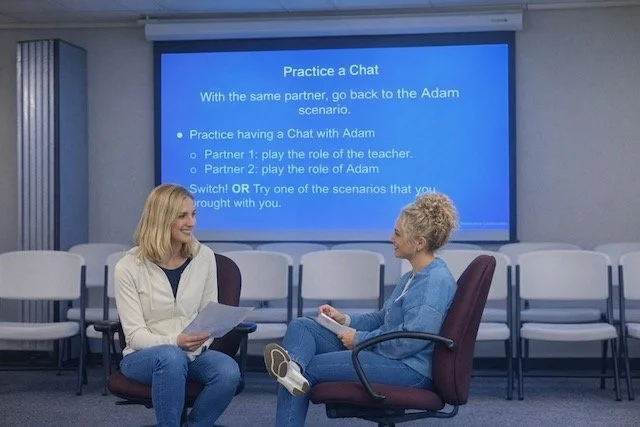
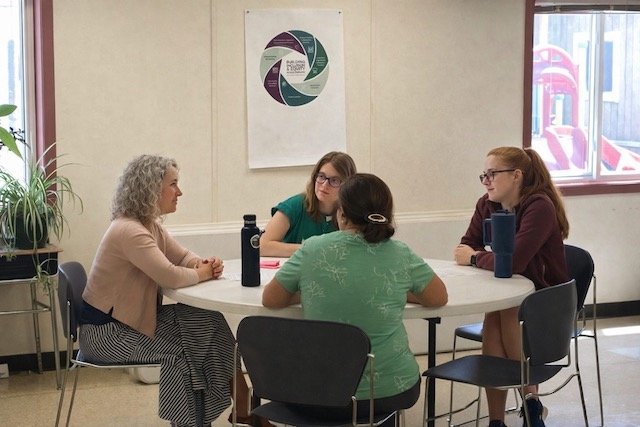
Our professional development is interactive and includes a mix of experiential and foundational learning. Participants learn the philosophy and values underpinning Restorative Practices, as well as participate in circles, examine case studies, engage in role-plays, and take part in partner and small group work. When appropriate, workshops include assignments to practice, design, and implement Restorative Practices. This ensures participants are building and utilizing skills throughout the training.
Coaching and Consulting
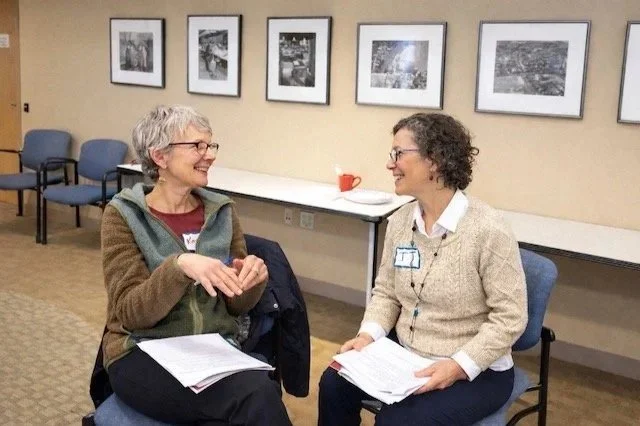
We offer onsite and virtual coaching to help all kinds of groups integrate Restorative Practices in ways that align with their needs. Our coaching is fully customized to the goals and needs of each community. In partnership with you, we provide resources, develop tailored plans for individuals and small groups, serve as a strategic thought partner, and consult on circle facilitation and restorative responses.
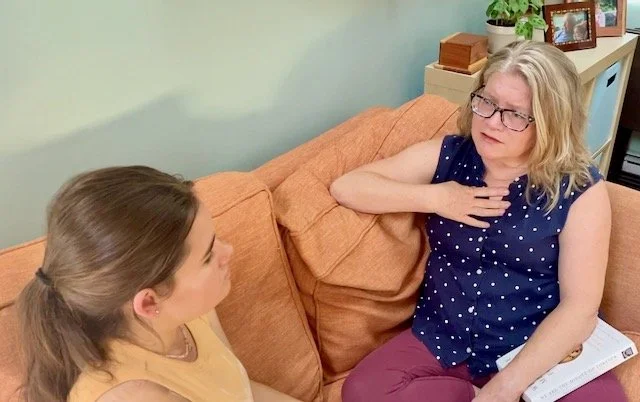
Coaching may occur one-on-one or in small groups. It often includes modeling practices in real time, conducting observations with actionable feedback, and supporting the planning and reflection necessary for effective circles and restorative interventions.
Presentations
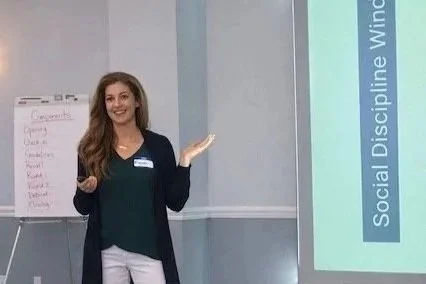
Presentations are a great way to introduce the principles and values of Restorative Justice—and to answer the essential question, “What is Restorative Justice?” Restorative Justice is a relationship-centered approach that focuses on repairing harm, strengthening community, and supporting accountability through dialogue rather than punishment. We offer one-hour, 90-minute, and two-hour presentations, available in person or virtual, to help inform and build buy-in with stakeholders, introduce a pilot program to potential early adopters, or educate community members and anyone interested in learning more. Our presentations are interactive, engaging, and designed to meet the unique needs of your group or organization.
Circle Facilitation
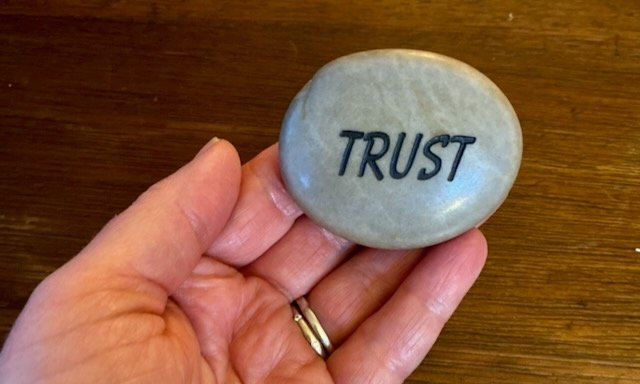
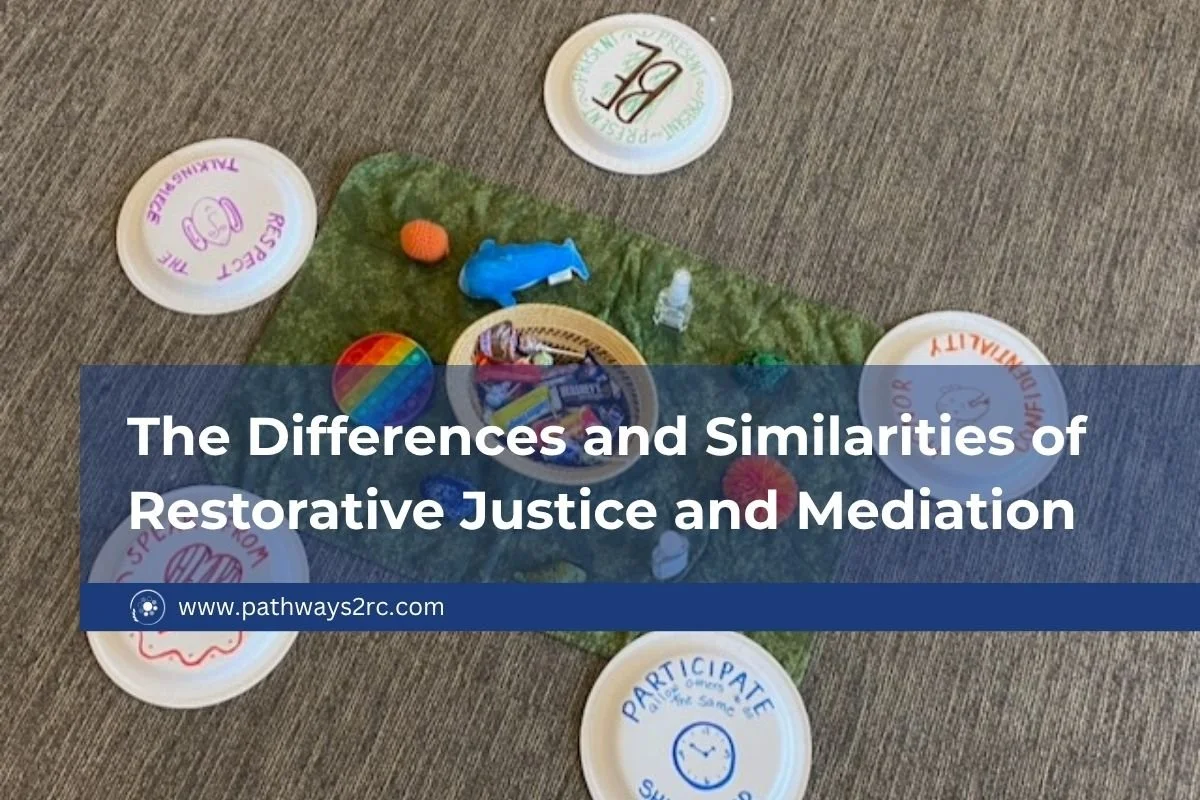
Invite P2RC to step into your community group to facilitate a restorative process with you. Sometimes it is helpful and more effective to have an outside party provide facilitation, especially if you are still learning how to facilitate restorative circles. Bringing us in can be a powerful way to model the practice, allowing people to see the process in action. We work with the impacted individuals to address conflict, repair harm, and help you move forward. Our conflict resolution style differs from mediation services you may be familiar with. We use a series of pre-interviews in order to understand the issues and perspectives at play. Once we understand the factors and characteristics that influence the current conflict, we design restorative circles to address the specific issues that have arisen, facilitating conversations that encourage connection, honest sharing, and movement toward solutions.
Learn more about our work in communities

“This training reinforced and grounded me in not only steps of being a Circle Keeper but, perhaps more importantly, the stance of compassion to help people be with each other in difficult times and difficult conversations. “Be the change you want to see” is in full effect both in the training leaders and the approach they guide.”
-Circle Keeper Training Participant
Restorative Justice Practices provide tools to address one another when we don’t agree, as well as providing opportunities to create a sense of community among circle participants. The growing interest in these practices gives me hope.