
P2RC Blog
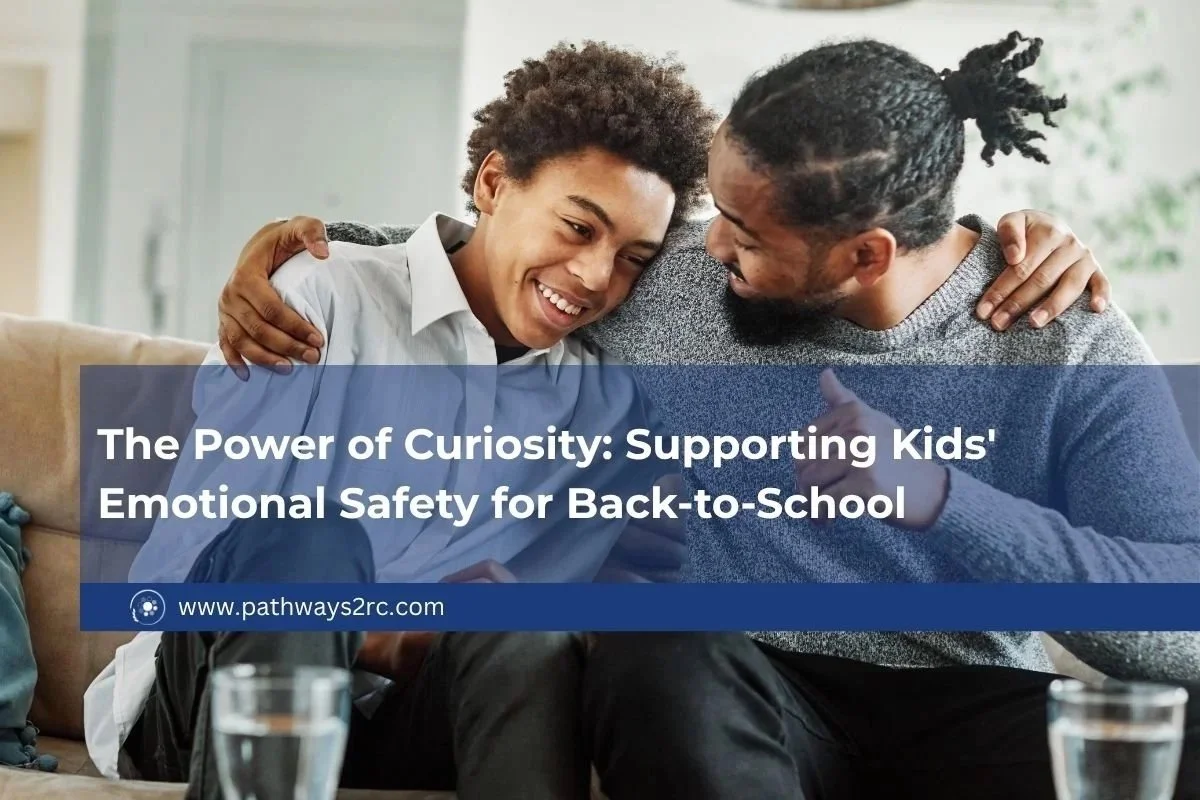
The Power of Curiosity: Supporting Kids' Emotional Safety for Back-to-School
Going back to school can bring up a lot of feelings for everyone! From excitement to apprehension, September is busy and full of new beginnings. Big feelings don't always bring out the best in us whether we're a student, a parent, or a teacher. So how can we approach this transition in a way that supports emotional safety?
From Local Initiatives to National Reach: How P2RC Expanded Restorative Practices
Restorative Justice Practices provide tools to address one another when we don’t agree, as well as providing opportunities to create a sense of community among circle participants. The growing interest in these practices gives me hope.
Applying Mindfulness in Schools Through Restorative Practices and Circles
In Restorative Practices we apply mindfulness every time we sit down to participate in a circle or a restorative conversation. In fact, mindfulness is essential for the success of a restorative process in a number of ways–through active listening, speaking from the heart, and remaining open to others' truths.
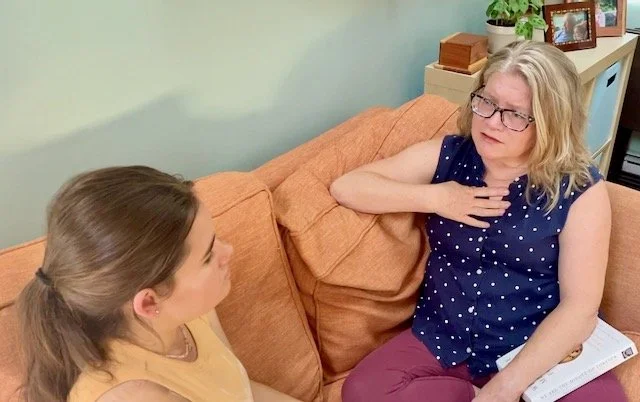
Restorative Practices at Home: Raising Resilient Kids Through Connection and Curiosity
Restorative Practices help to build, maintain, and repair relationships between individuals living, working and functioning as a community. They foster communication and increase mutual understanding and empathy, leading to an overall sense of connection and increasing the capacity to handle conflict in a way that promotes growth and repairs relationships.
The Role of the Circle Keeper
What does it mean to be a Circle Keeper? What do they do and why are they important? In Restorative Practices, both talking circles and circles to address harm are facilitated by a Circle Keeper who is responsible for guiding the group through a process that helps all feel comfortable participating and directs the conversation toward its intended purpose.
Restorative Practices for Stressful Times: Adult SEL Tools for Well-Being
Explore simple, restorative ways to manage stress through SEL-informed practices like mindfulness, breathing, positive self-talk, and healthy routines. Learn how adults can build resilience, support their families and communities, and stay grounded during periods of upheaval.

How Do We Build Relationships and Stay Connected While Social Distancing?
Begin with family and friends. During this time when it is hard to be connected to many, be connected to those who are closest to you.
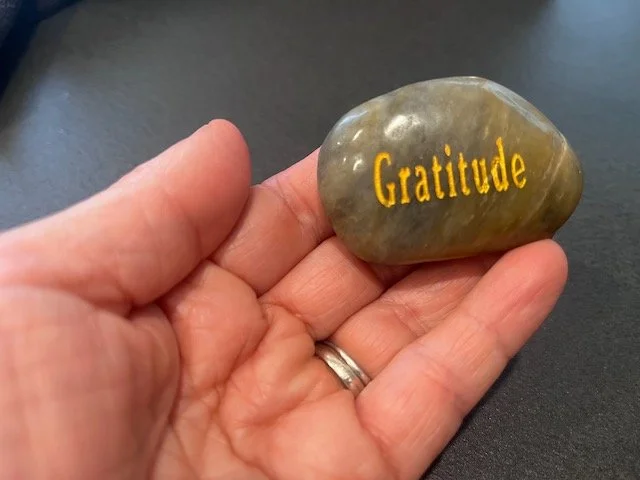
Take time each day with the people you are living with to acknowledge what you have to be grateful for. Gratitude is the best antidote to fear! Look for the silver lining in each day. What were you able to do today that you would not have had the opportunity to do if we were not social distancing? And, have fun together.

How Restorative Practices Address Exclusionary Discipline and the School-to-Prison Pipeline
Research has revealed that suspension for non-violent offenses, particularly repeated suspension, has a limited effect on improving behavior and adversely affects achievement. In addressing these findings, school leaders in Massachusetts and across the U.S. found that improving school climate through positive behavioral interventions, including restorative practices, resulted in much better outcomes for students.
Restorative Practices and Social-Emotional Learning: Building a Thriving School Culture
Schools with high expectations for student behavior, paired with strong support and guidance, provide the environment in which students can grow, take risks, and build meaningful relationships. Restorative Practices offer a powerful, research-informed framework to support SEL and create school cultures where every student and staff member can succeed.
Restorative Justice: What is it?
How do we respond to injustice and wrongdoing--as individuals, as a group, as a community or society? For many, the response is that there are punishments for breaking rules. That has become our norm in the courts, in schools, and often in families. For several decades now, there has been an increasing awareness of other approaches to wrongdoing based on the ideas of Indigenous Peoples around the globe.