
P2RC Blog
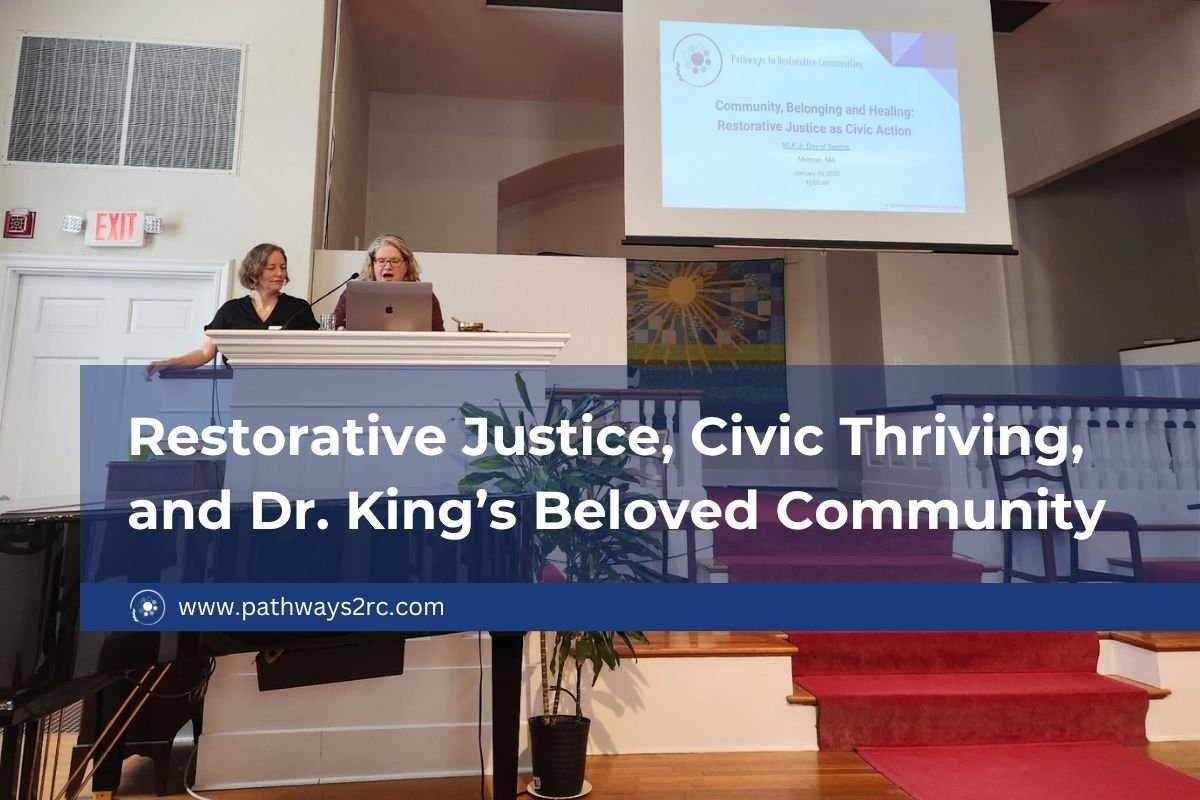
Restorative Justice, Civic Thriving, and Dr. King’s Beloved Community
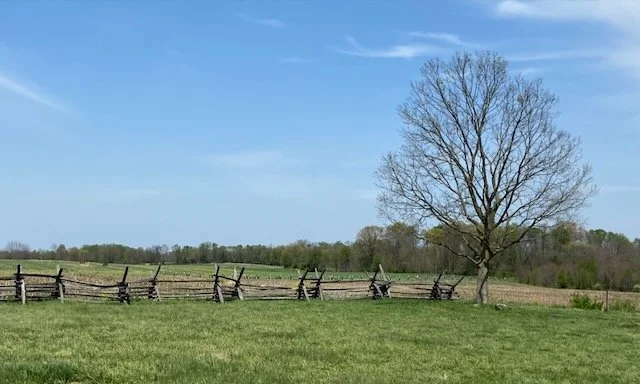
We think of Restorative Justice as a tree. The roots are the underlying values and the goals of the Beloved Community. The trunk is made up of the structures that help us embody those values: Restorative Practices, the 18 Civic Learning Journeys, and Dr. King’s six steps for nonviolent social change. Acting with these structures as guides leads to the tree’s canopy, where we have healing, belonging, and community, which ultimately moves us closer to the Beloved Community of Dr. King’s vision.
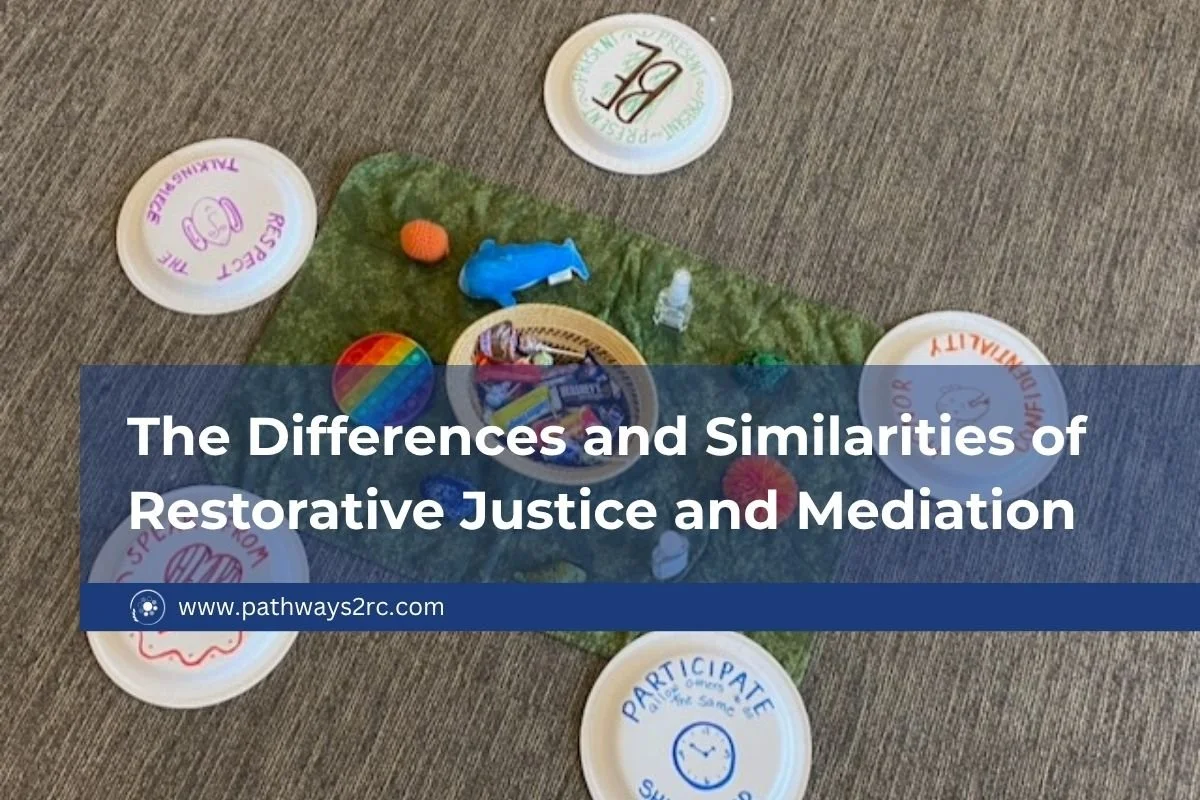
The Differences and Similarities of Restorative Justice and Mediation
Mediation is only one pathway to conflict resolution. An alternative approach, the Restorative Justice approach, centers the relationship itself—ensuring that every person involved is treated with dignity, listened to fully, and given space to share how they have been affected. This restorative model broadens the focus beyond just solving the problem to repairing harm, rebuilding trust, and supporting the well-being of everyone involved.
From Local Initiatives to National Reach: How P2RC Expanded Restorative Practices
Restorative Justice Practices provide tools to address one another when we don’t agree, as well as providing opportunities to create a sense of community among circle participants. The growing interest in these practices gives me hope.
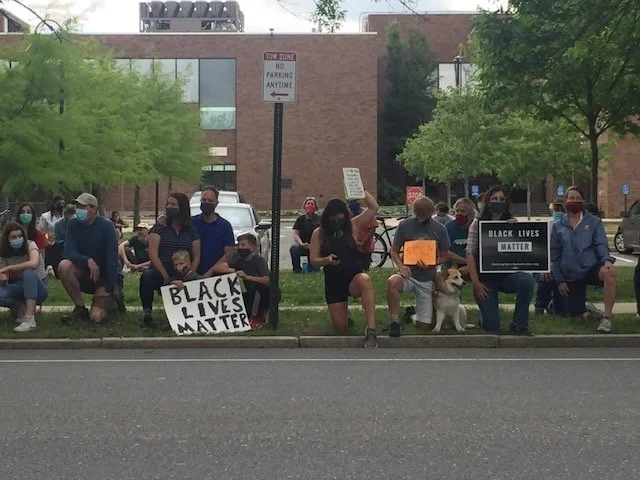
Restorative Practices and the Movement for Racial Justice: P2RC Responds to This Moment
Restorative Practices can begin to create racial equity by building authentic relationships and through listening to the experiences and stories of those harmed by systemic racism. At this critical time, it is especially important to make space for the stories of our black, brown and indigenous brothers and sisters.
Restorative Justice: What is it?
How do we respond to injustice and wrongdoing--as individuals, as a group, as a community or society? For many, the response is that there are punishments for breaking rules. That has become our norm in the courts, in schools, and often in families. For several decades now, there has been an increasing awareness of other approaches to wrongdoing based on the ideas of Indigenous Peoples around the globe.