
The Differences and Similarities of Restorative Justice and Mediation
Oct 2018 (updated on 12/11/25)
Mediation is a process where disputing parties use a neutral third party to facilitate a dialogue about their dispute. The process is usually voluntary and the parties remain in control of the outcome. The focus is on problem solving and the mediator assists the parties by clarifying concerns and interests, defining and framing issues, relaying information and helping the parties generate solutions. The goal is a “win win” and/or a negotiated agreement with which the parties can live. Mediation is used commonly to resolve housing and small claims disputes.
Benefits: Provides resolution, represents all parties neutrally
Preparation: Little to none, facilitator often meets all parties for the first time at the mediation
Requirements: Willingness to participate
Format: Facilitated discussion (sometimes attorneys speak for one or more parties)
Outcomes: Solves a problem, parties make decisions, come to agreements
Restorative Justice is a process where a person who has been harmed and the person who has harmed come together with others who have been affected to discuss what happened, what the impact has been, and what can be done to repair the harm. The process requires the person who has harmed to take responsibility. It also requires the harmed party to be willing to engage to some extent with the person who caused them harm. The focus is to repair the harm and satisfy the needs of the person who has been harmed and others who have been affected. Restorative Justice is often used as a pre-arraignment alternative process in a criminal matter, but can be (and is) used in companies, organizations, and educational settings.
Benefits: Seeks to repair harm, decreases repeat issues, helps all parties feel safe and supported
Preparation: Significant, interviews with those impacted by harm and with those who caused harm
Requirements: Willingness to participate, willingness of party who caused harm to take responsibility
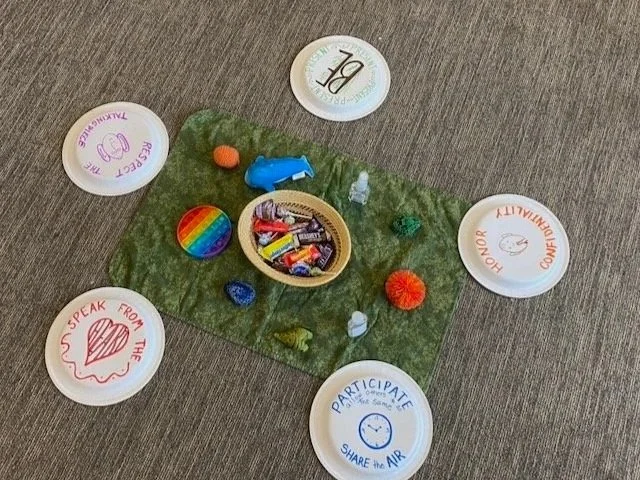
Format: Circle with talking piece, guidelines and specific questions, people speak for themselves
Outcomes: Repairs harm, makes things right, provides follow-up support for harmed and responsible parties
The skill sets for practitioners of both processes greatly overlap. Furthermore, both Restorative Justice and Mediation practitioners use a specific process in their work. And both Restorative Justice and Mediation practice encourages respectful dialogue and listening.
Restorative Practices have grown from the ideas of Restorative Justice and are often used in schools to build community and create a more restorative/less punitive environment for students and teachers. They are also used in community organizations, faith-based groups, and even corporate settings. Contact us to learn more about how P2RC can help resolve conflicts in your setting.
If you’re looking for a conflict resolution process whose focus is to repair the harm and not just find a solution the parties can live with, Restorative Justice Practices provide the clearest pathway forward.