
P2RC Blog
Restorative Practices and Resilience: How Connection Protects Marginalized Students
Youth living with socially devalued characteristics (minority sexual orientation, race, ethnicity, disability, obesity) experience frequent stigma-based bullying, leading to feelings of shame.
Restorative Practices at Home: Raising Resilient Kids Through Connection and Curiosity
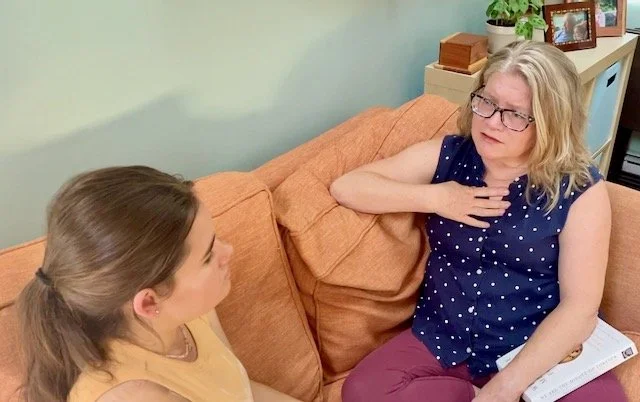
Restorative Practices help to build, maintain, and repair relationships between individuals living, working and functioning as a community. They foster communication and increase mutual understanding and empathy, leading to an overall sense of connection and increasing the capacity to handle conflict in a way that promotes growth and repairs relationships.
Building Capacity to Address Conflict and Create Community Resiliency
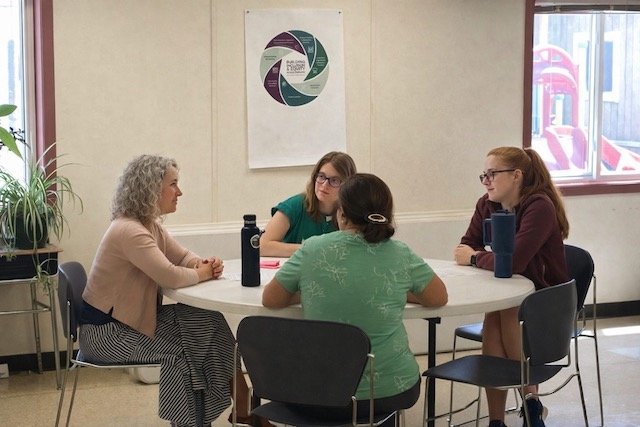
In some cases, our focus becomes to teach Restorative Practices skills to a small group of individuals within the community, so that they are empowered to use these tools as needed going forward. This is capacity building: the process of developing a community’s ability to address issues in a way that will help them fulfill their mission.