
P2RC Blog
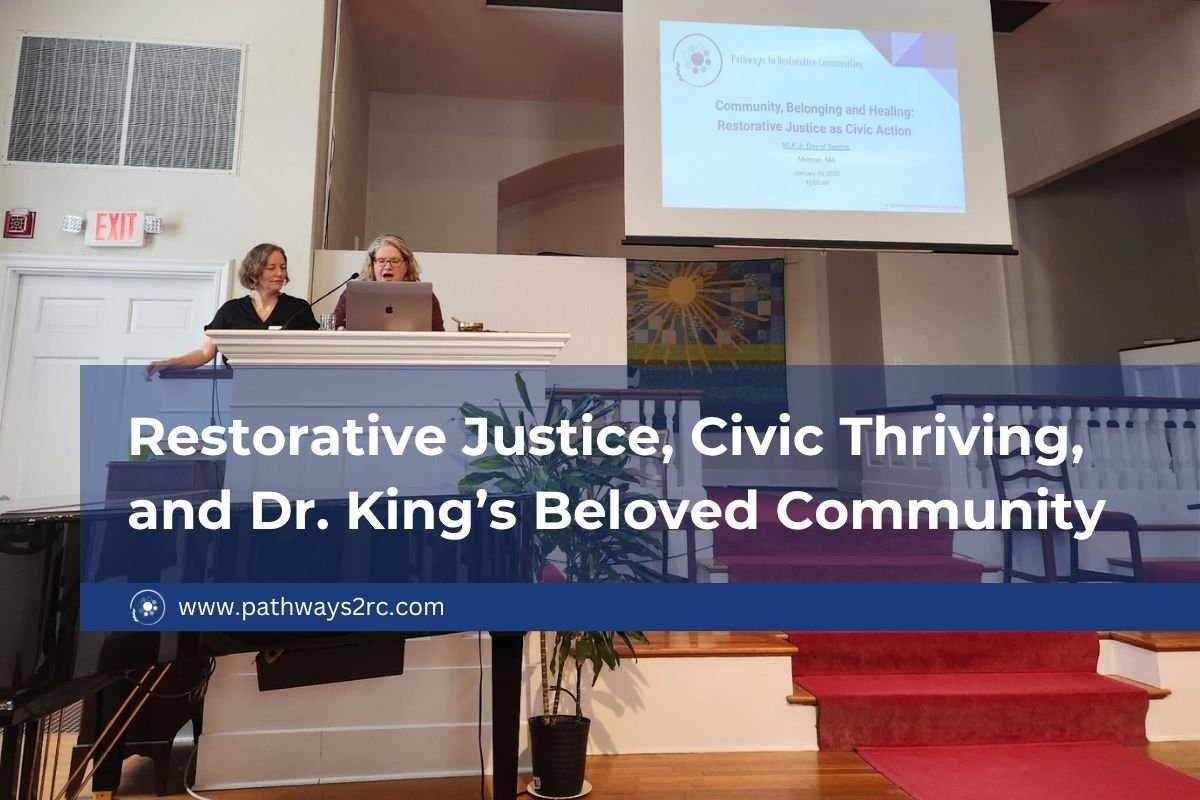
Restorative Justice, Civic Thriving, and Dr. King’s Beloved Community
We think of Restorative Justice as a tree. The roots are the underlying values and the goals of the Beloved Community. The trunk is made up of the structures that help us embody those values: Restorative Practices, the 18 Civic Learning Journeys, and Dr. King’s six steps for nonviolent social change. Acting with these structures as guides leads to the tree’s canopy, where we have healing, belonging, and community, which ultimately moves us closer to the Beloved Community of Dr. King’s vision.
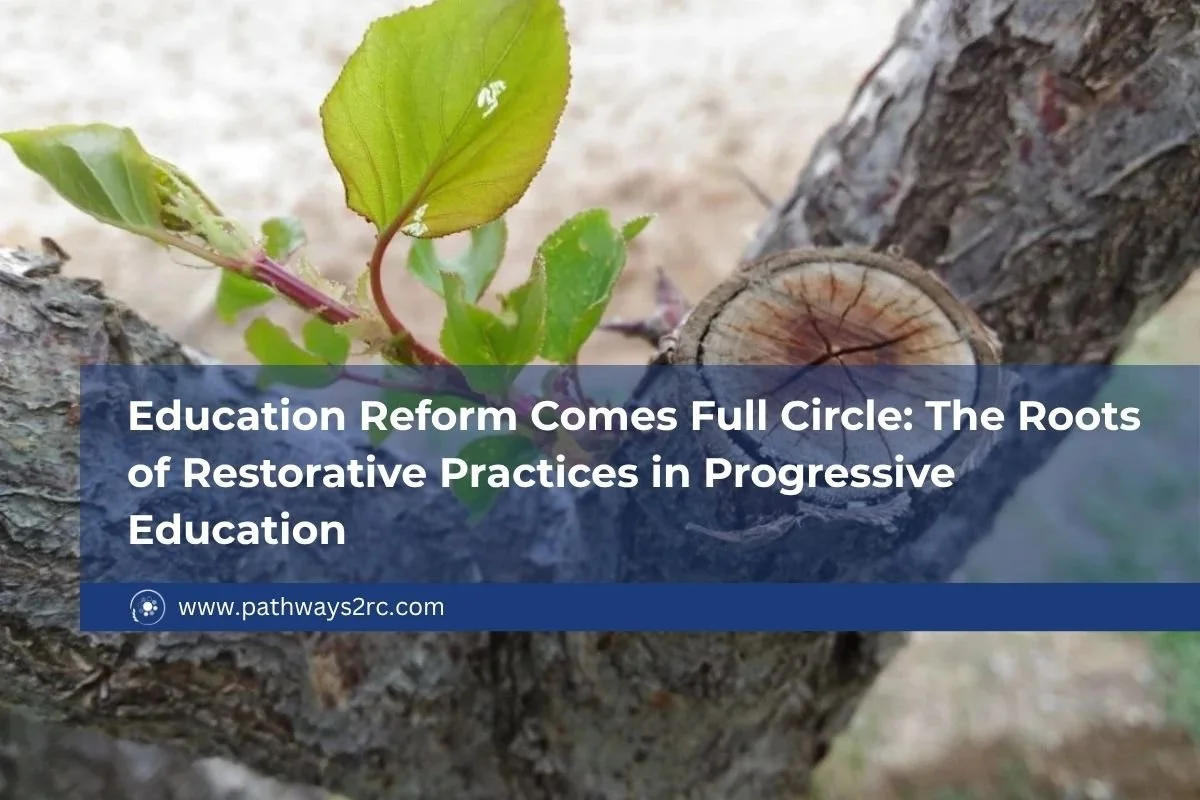
Education Reform Comes Full Circle: The Roots of Restorative Practices in Progressive Education
For over a hundred years educational thinkers have returned to the ideas of doing “with” rather than “to” students; the importance of community; teaching the whole person; and thinking critically about issues of power and oppression.
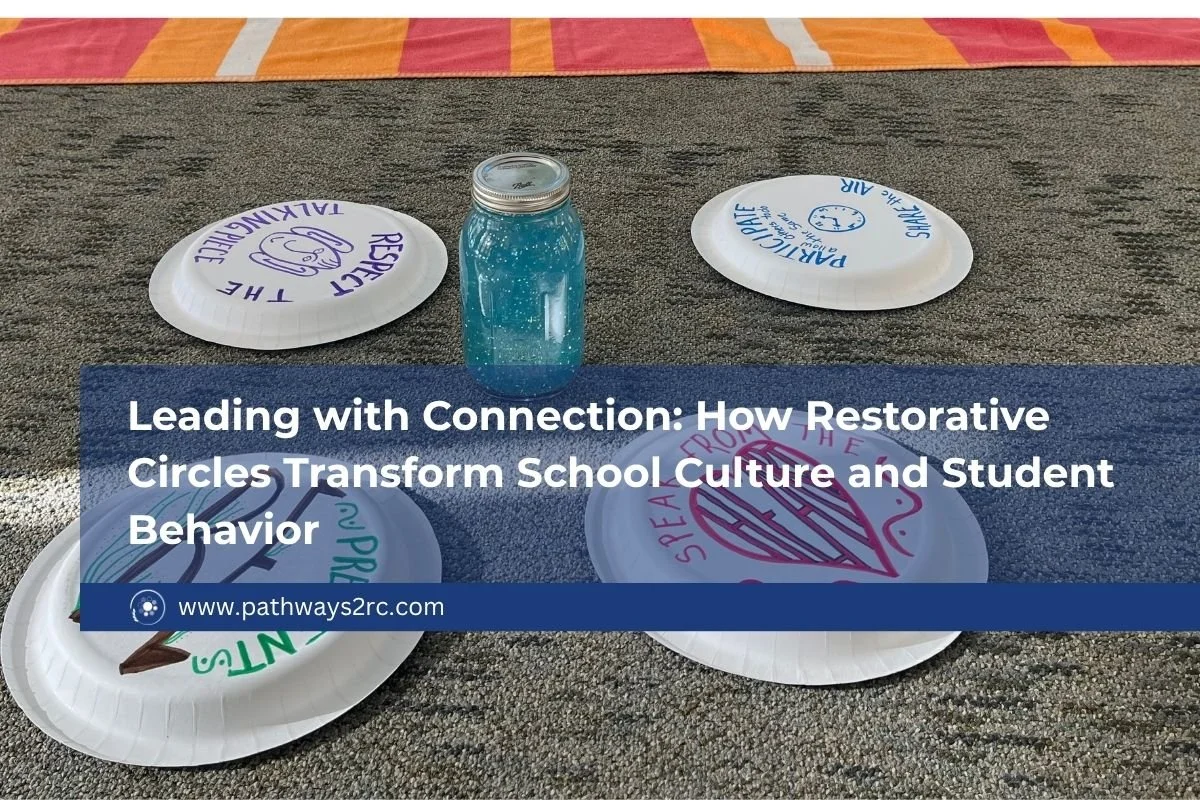
Leading with Connection: How Restorative Circles Transform School Culture and Student Behavior
Circles are not a warm-up or a side activity. They’re essential infrastructure. When we create space for students and educators to connect, reflect, and be human together, we grow the conditions for deep learning and joyful community.

Restorative Conversations in Schools: Strategies for Supporting Reluctant Teachers
How can you encourage buy-in to Restorative Conferences, for both teachers and students, and for both responsible and harmed parties? A combination of training, practice, and exposure can increase buy-in for any reluctant person.

Experiential Learning as Restorative Pedagogy: Building Community and Engagement in Schools
Our communications manager Rachel Saudek has a really cool day job. She has been working for a sailing non-profit in the San Francisco Bay that brings students from all over the Bay Area out to experience life on the water and learn about their local ecology from a new perspective. During one of our Zoom meetings, we three mused over the many connections between experiential learning and the Restorative approach, and this blog was born.
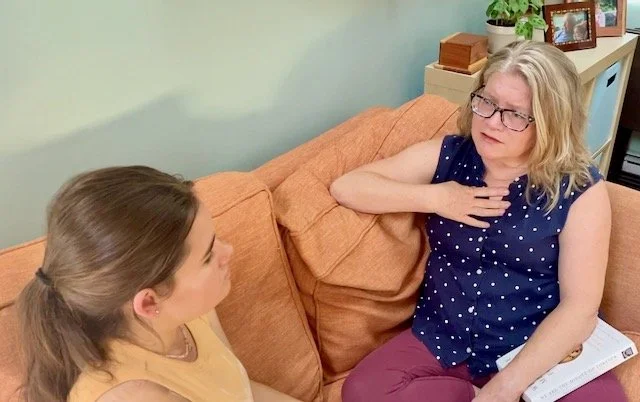
Restorative Practices at Home: Raising Resilient Kids Through Connection and Curiosity
Restorative Practices help to build, maintain, and repair relationships between individuals living, working and functioning as a community. They foster communication and increase mutual understanding and empathy, leading to an overall sense of connection and increasing the capacity to handle conflict in a way that promotes growth and repairs relationships.

How Do We Build Relationships and Stay Connected While Social Distancing?
Begin with family and friends. During this time when it is hard to be connected to many, be connected to those who are closest to you.
Take time each day with the people you are living with to acknowledge what you have to be grateful for. Gratitude is the best antidote to fear! Look for the silver lining in each day. What were you able to do today that you would not have had the opportunity to do if we were not social distancing? And, have fun together.