
P2RC Blog
Restorative Practices and Resilience: How Connection Protects Marginalized Students
Youth living with socially devalued characteristics (minority sexual orientation, race, ethnicity, disability, obesity) experience frequent stigma-based bullying, leading to feelings of shame.
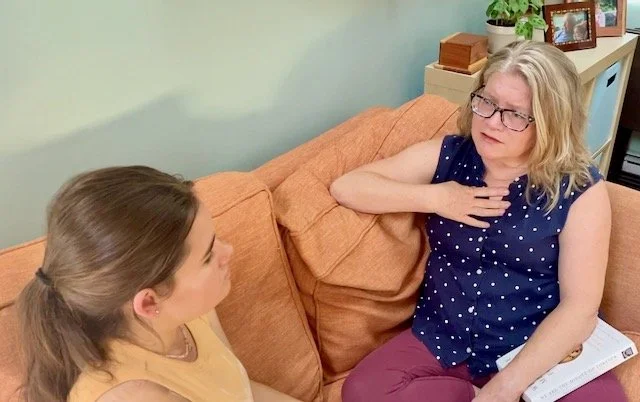
Restorative Practices at Home: Raising Resilient Kids Through Connection and Curiosity
Restorative Practices help to build, maintain, and repair relationships between individuals living, working and functioning as a community. They foster communication and increase mutual understanding and empathy, leading to an overall sense of connection and increasing the capacity to handle conflict in a way that promotes growth and repairs relationships.

How Do We Build Relationships and Stay Connected While Social Distancing?
Begin with family and friends. During this time when it is hard to be connected to many, be connected to those who are closest to you.
Take time each day with the people you are living with to acknowledge what you have to be grateful for. Gratitude is the best antidote to fear! Look for the silver lining in each day. What were you able to do today that you would not have had the opportunity to do if we were not social distancing? And, have fun together.
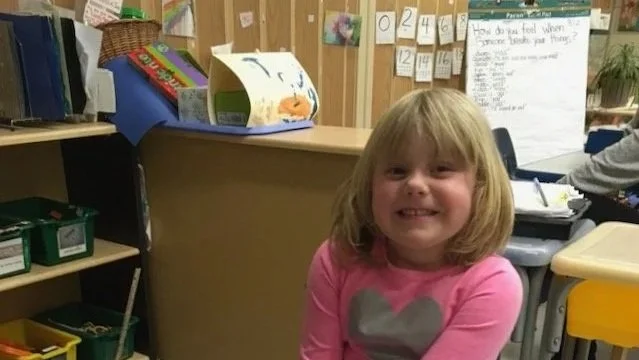
Restorative Practices and Social-Emotional Learning: Building a Thriving School Culture
Schools with high expectations for student behavior, paired with strong support and guidance, provide the environment in which students can grow, take risks, and build meaningful relationships. Restorative Practices offer a powerful, research-informed framework to support SEL and create school cultures where every student and staff member can succeed.