
P2RC Blog
Building Capacity to Address Conflict and Create Community Resiliency
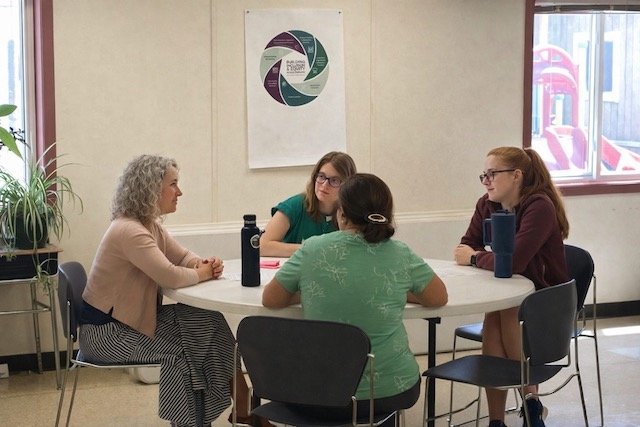
In some cases, our focus becomes to teach Restorative Practices skills to a small group of individuals within the community, so that they are empowered to use these tools as needed going forward. This is capacity building: the process of developing a community’s ability to address issues in a way that will help them fulfill their mission.
Restorative Practices in the Workplace
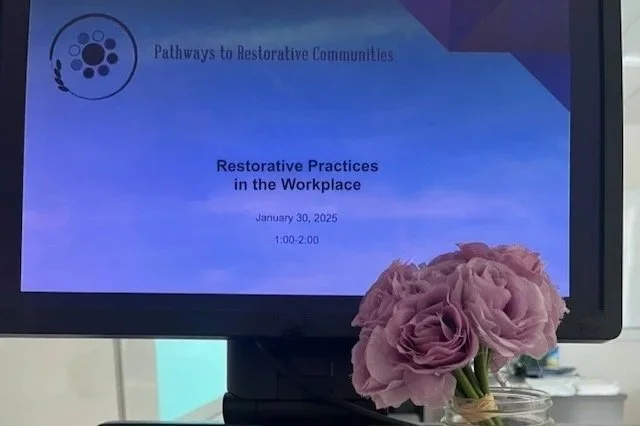
A highly supportive work culture provides the safety to learn and grow, raise concerns, and try new things. Restorative Practices provide a process for establishing group norms, managing expectations, and developing the interpersonal skills essential for collaboration.
Success Stories: Implementing Restorative Practices During the Pandemic
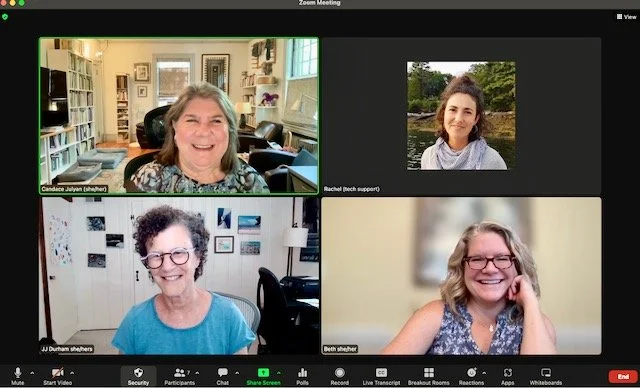
Here we share two stories of how individuals implemented Restorative Practices with heart and creativity this year, after attending our trainings in Restorative Practices and Circle Keeping.
How to Create Circle Questions for Classroom Learning
Circles are not just for SEL lessons and Advisory!
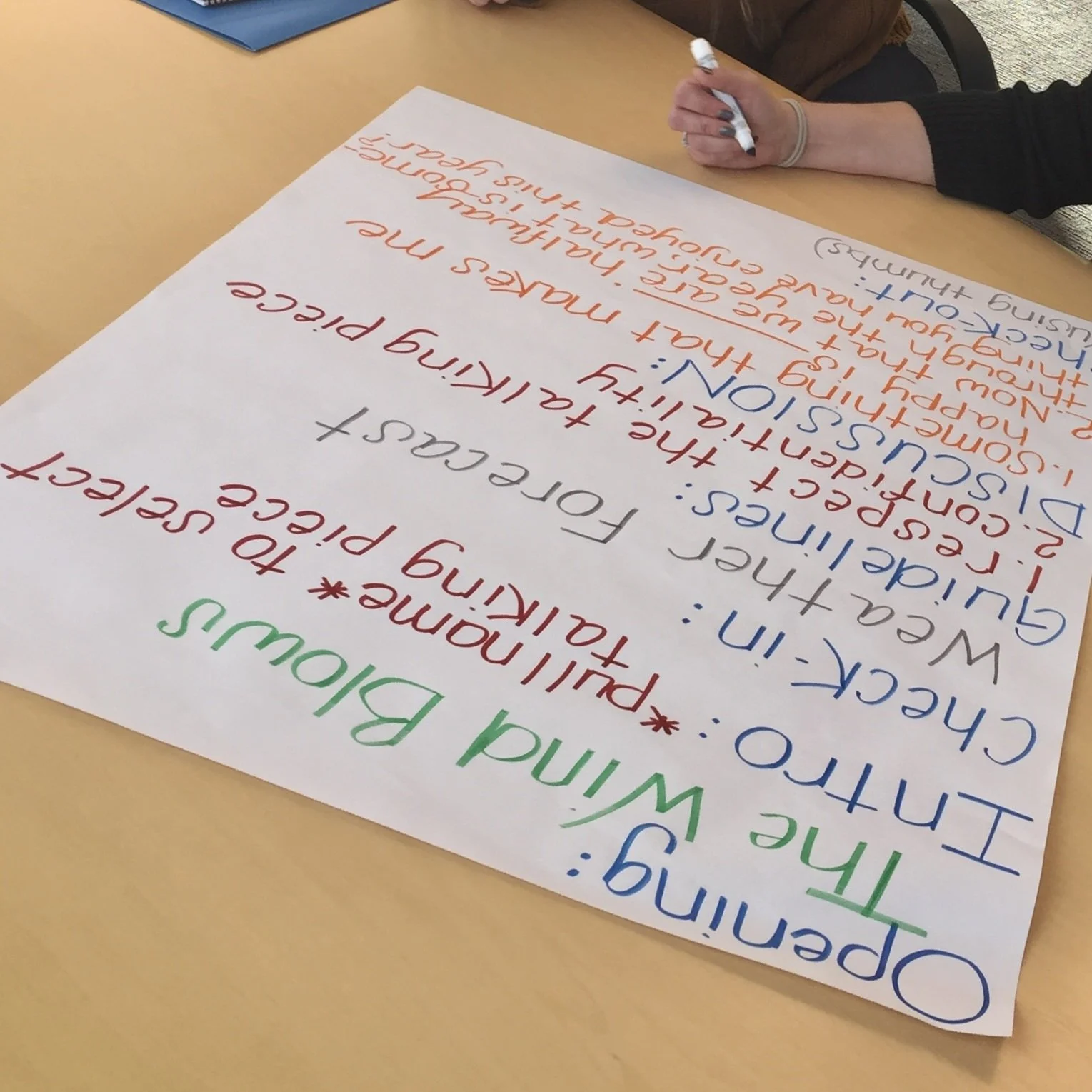
Circle are incredibly versatile. They can be used to discuss content, reflect on learning approaches and learning style, provide structure to both small and large group discussions and give teachers the opportunity to hear from every student.
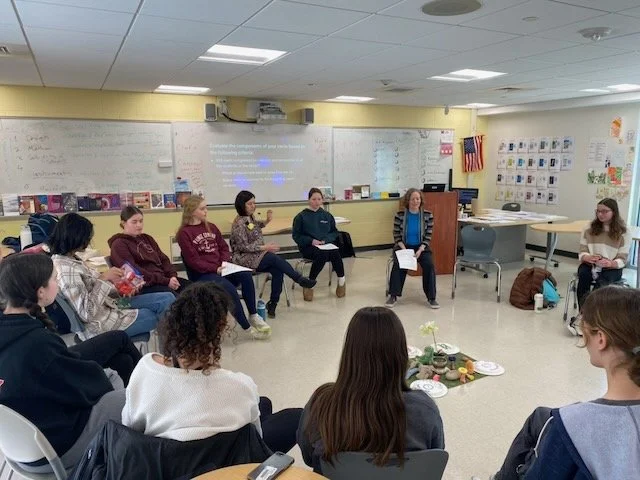
The Value of Utilizing Circles in Academic Classrooms
Incorporating circles into academic classrooms brings a range of benefits, including supporting the goals of SEL and PBIS. A circle can take 10 minutes at the beginning or end of class, or the entire class period if it complements the learning material.