Restorative Practices Coaching: Supporting Tier 3 Practices (Conferencing)
Part Two of a Three Part Series on Restorative Practices Coaching
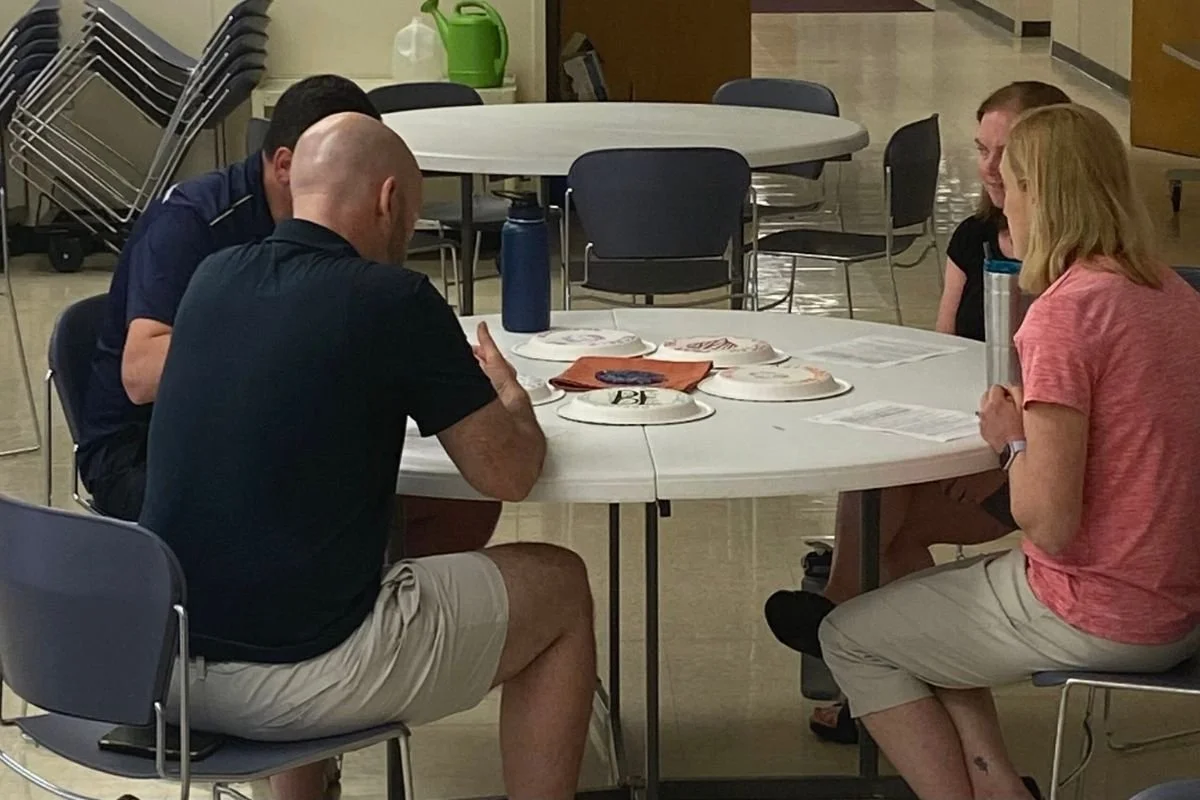
In Part One of our series on Restorative Coaching, we talked about the tremendous benefits of using coaching after going through Restorative Justice Practices training. We shared how flexible P2RC’s coaching is, and how we center a “doing with” approach for every session. In Part Two, we’ll outline some of the themes and challenges that came up in Tier 3 (Conferencing) coaching over the past few months. We’ll also share some of our thoughts and recommendations. We hope some of the insight from others doing this work may help you as well.
Theme 1: Restorative Facilitation Skills and Confidence
Restorative Conferencing is the most intensive practice, a Tier 3 intervention. It requires not just understanding the values of a restorative mindset, but living them authentically. Conferencing requires honed facilitation skills, as well as the confidence to intentionally design the process from pre-interviews through follow-up. Facilitators used coaching sessions to practice through role plays, co-facilitating and debriefs to develop the confidence and skills to facilitate the conference process on their own.
Theme 2: Setting Goals and Celebrating Outcomes of Restorative Conferences
An important aspect of planning a restorative conversation is to have a clear goal or intended outcome for the process. The goal shapes how the process is designed and carried out. We love the goals that came out of some of our recent coaching sessions:
Use Restorative Practices as part of the solution in a discipline process
Restore feelings of safety
Help kids come to a resolution with each other
Resolve hard feelings and help people move on
Support those impacted by a harm, including the community as a whole
Create an environment where the Responsible Party (that person who caused some harm) feels welcomed back.
In our coaching sessions we also like to celebrate successes and positive outcomes of the process. A conference process is generally successful because there were already strong relationships that could be repaired when a harm occurred, and it’s important to take a moment to celebrate that! Some of the actual outcomes shared in coaching groups include:
Demonstrated a strong relational foundation through the process
Students used SEL skills their teachers had been working on with them in the conference
The issues were resolved and did not continue online, or escalate again
Students showed empathy and understanding for each other
Students were respectful and engaged in the circles
The talking piece helped students share their perspectives
Theme 3: Troubleshooting the Restorative Conference Process
Coaching also provides an opportunity to address challenges that come up as teams implement restorative conferences. Through discussion and collaboration, we work with teams to explore those challenges. We come with our experience and knowledge about restorative practices and you come with expertise about your students, school culture, and the needs and challenges of those involved. Some common challenges we’ve grappled with recently:
Challenge:One participant dominated the conversation
Consider: Passing a talking piece, setting a "share the air" guideline and getting agreement to it, using an hourglass timer, seating the talkative student next to the facilitator.
Challenge:Only a few staff have both Restorative Conferencing training and good relationships with the kids involved in an incident, and these staff are also teaching classes—facilitating Conference Circles will disrupt their classes
Consider: Identifying ahead of time other staff who can be available to step in to support the class when a circle is necessary, so trained staff can facilitate the circle process.
Challenge:There is a tension between allowing people time to emotionally process an incident and feeling pressure resolving issues quickly
Consider: Embracing conferencing as a process that may get resolved over multiple sessions. Start a conversation, take a break, and come back to it later.
Challenge:Facilitators initially overlooked the impact of the harm on an involved person
Consider: Circling back to include people who may have been missing from the initial process at a later date. Be flexible and model that the process of healing is not a checklist and may evolve over time.
Challenge:Competition with other initiatives for time and resources creates a barrier
Consider: Starting small, looking to the future for adding practices over time, creating a Restorative Practices implementation team.
Theme 4: The Big Picture When it comes to Conferences
We follow up every coaching session with notes that include additional written considerations based on what we heard in the session. Many of our notes in the past months have included these big picture thoughts in one form or another:
When planning a conference, keep the needs of those most impacted by the incident at the center of your goals.
Is the person responsible for causing harm able to take responsibility and are they willing to make amends? If not, they are not ready for a conference.
Implementation: Do you have the time, personnel, and resources to do this process well, including: pre-conferencing, conference, repair, and follow up?
That final point about implementation is a biggie, and we address it in Part Three, our final blog in this series on Restorative Practices coaching: Making Implementation Last