
P2RC Blog

Applying Mindfulness in Schools Through Restorative Practices and Circles
In Restorative Practices we apply mindfulness every time we sit down to participate in a circle or a restorative conversation. In fact, mindfulness is essential for the success of a restorative process in a number of ways–through active listening, speaking from the heart, and remaining open to others' truths.
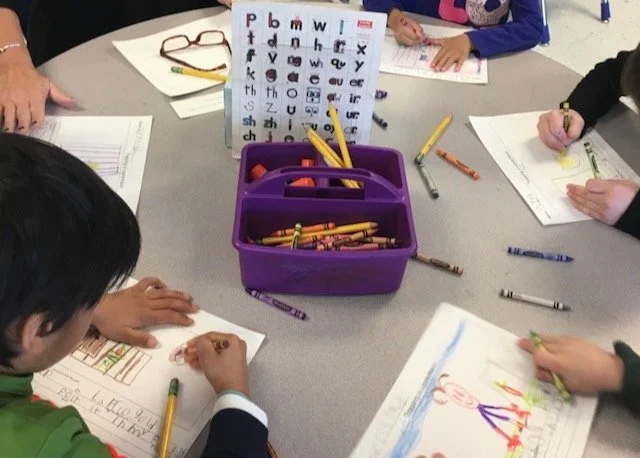
Restorative Classroom Management
Restorative classrooms ask questions rather than punish, include rather than exclude, and build cooperation and student buy-in in the process.
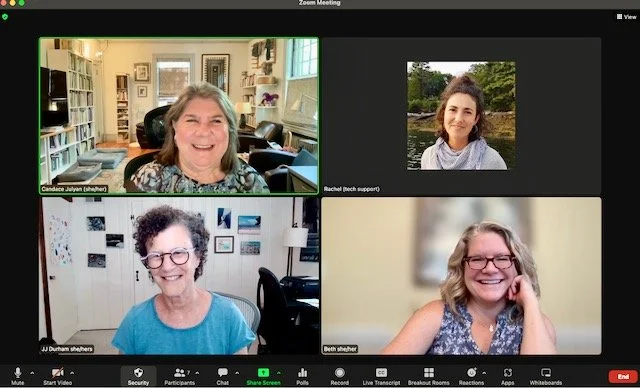
Success Stories: Implementing Restorative Practices During the Pandemic
Here we share two stories of how individuals implemented Restorative Practices with heart and creativity this year, after attending our trainings in Restorative Practices and Circle Keeping.
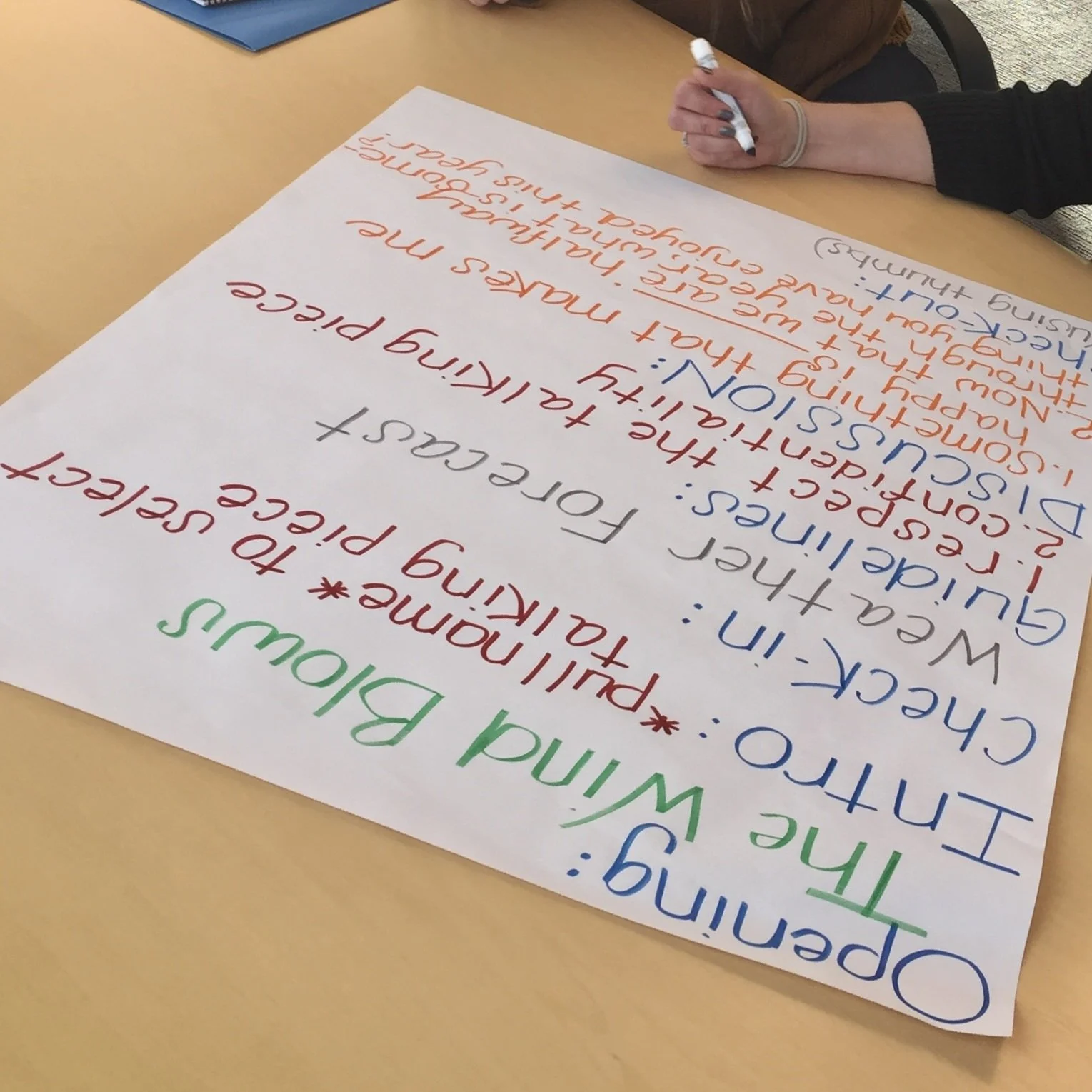
How to Create Circle Questions for Classroom Learning
Circles are not just for SEL lessons and Advisory!
Circle are incredibly versatile. They can be used to discuss content, reflect on learning approaches and learning style, provide structure to both small and large group discussions and give teachers the opportunity to hear from every student.
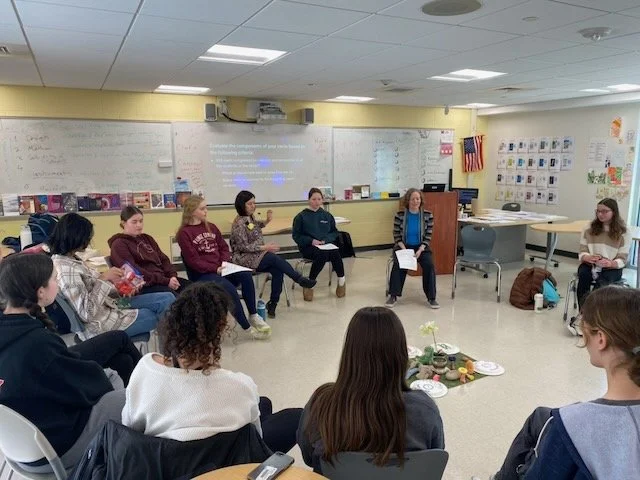
The Value of Utilizing Circles in Academic Classrooms
Incorporating circles into academic classrooms brings a range of benefits, including supporting the goals of SEL and PBIS. A circle can take 10 minutes at the beginning or end of class, or the entire class period if it complements the learning material.