

Applying Mindfulness in Schools Through Restorative Practices and Circles
In Restorative Practices we apply mindfulness every time we sit down to participate in a circle or a restorative conversation. In fact, mindfulness is essential for the success of a restorative process in a number of ways–through active listening, speaking from the heart, and remaining open to others' truths.
Restorative Classroom Management
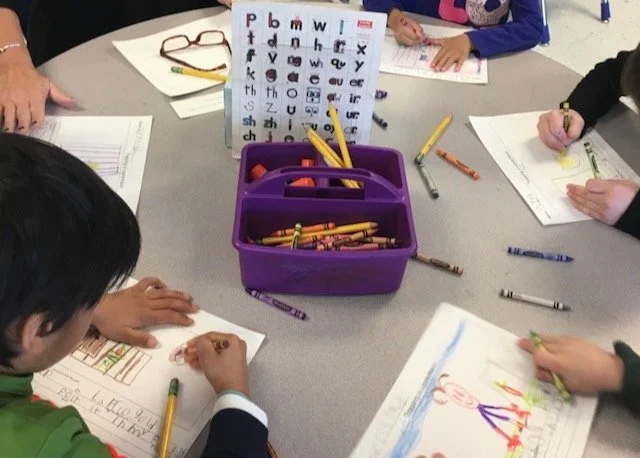
Restorative classrooms ask questions rather than punish, include rather than exclude, and build cooperation and student buy-in in the process.
The Role of the Circle Keeper
What does it mean to be a Circle Keeper? What do they do and why are they important? In Restorative Practices, both talking circles and circles to address harm are facilitated by a Circle Keeper who is responsible for guiding the group through a process that helps all feel comfortable participating and directs the conversation toward its intended purpose.
Success Stories: Implementing Restorative Practices During the Pandemic
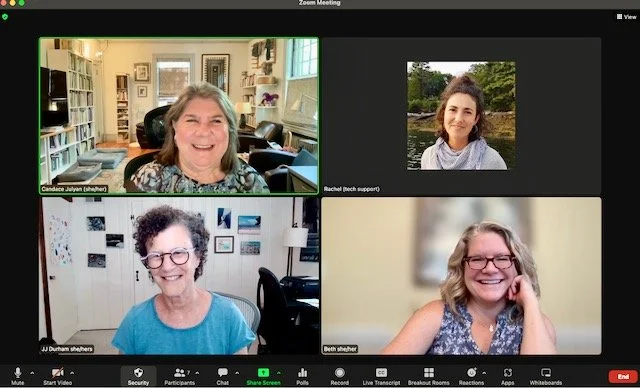
Here we share two stories of how individuals implemented Restorative Practices with heart and creativity this year, after attending our trainings in Restorative Practices and Circle Keeping.

The Role of Restorative Practices in Trauma-Informed Schools
Chronic trauma can cause serious problems with learning and behavior. Students who act out due to anxiety and/or trauma need safe, supportive consistent classrooms and a respectful, consistent and collaborative approach to discipline.
How to Create Circle Questions for Classroom Learning
Circles are not just for SEL lessons and Advisory!
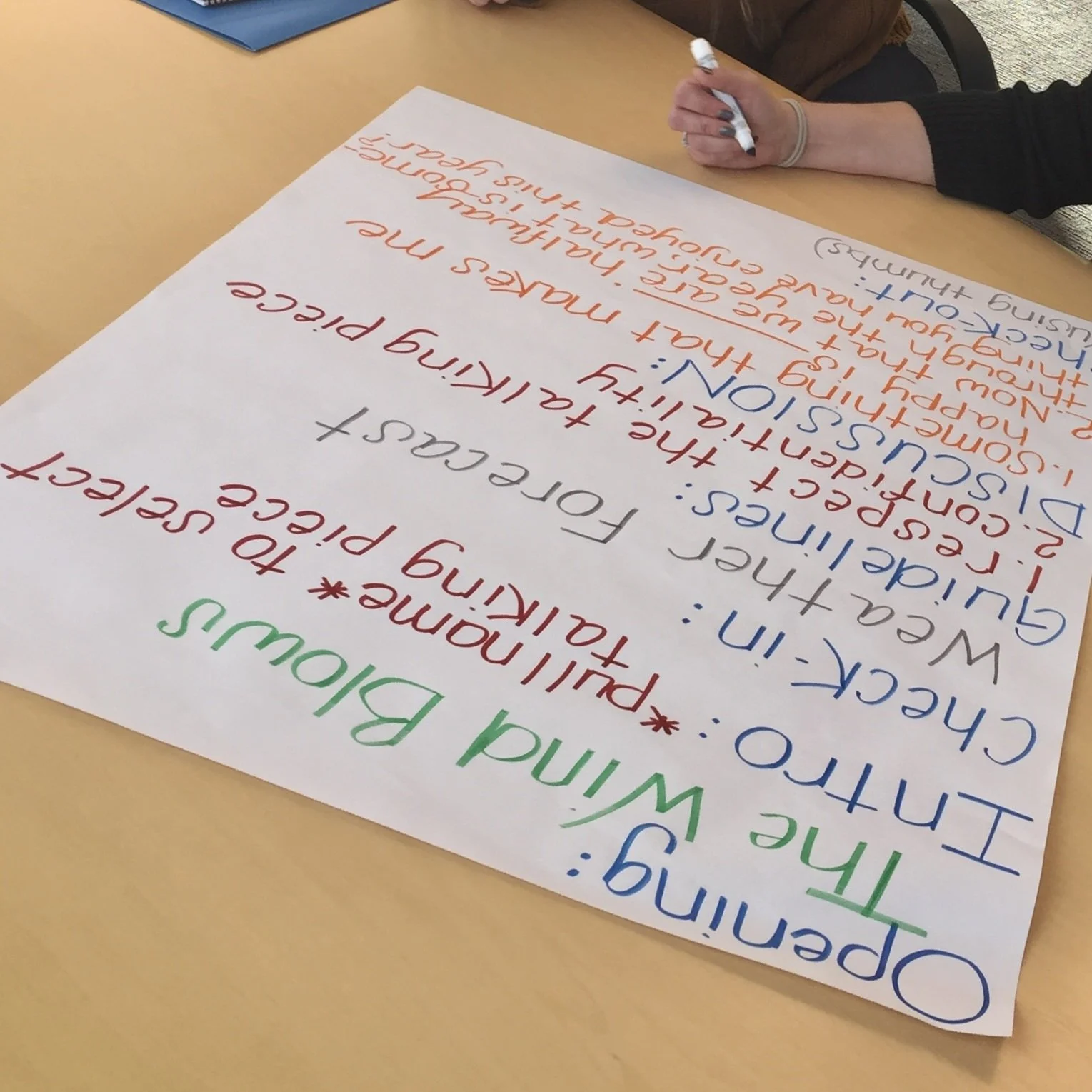
Circle are incredibly versatile. They can be used to discuss content, reflect on learning approaches and learning style, provide structure to both small and large group discussions and give teachers the opportunity to hear from every student.
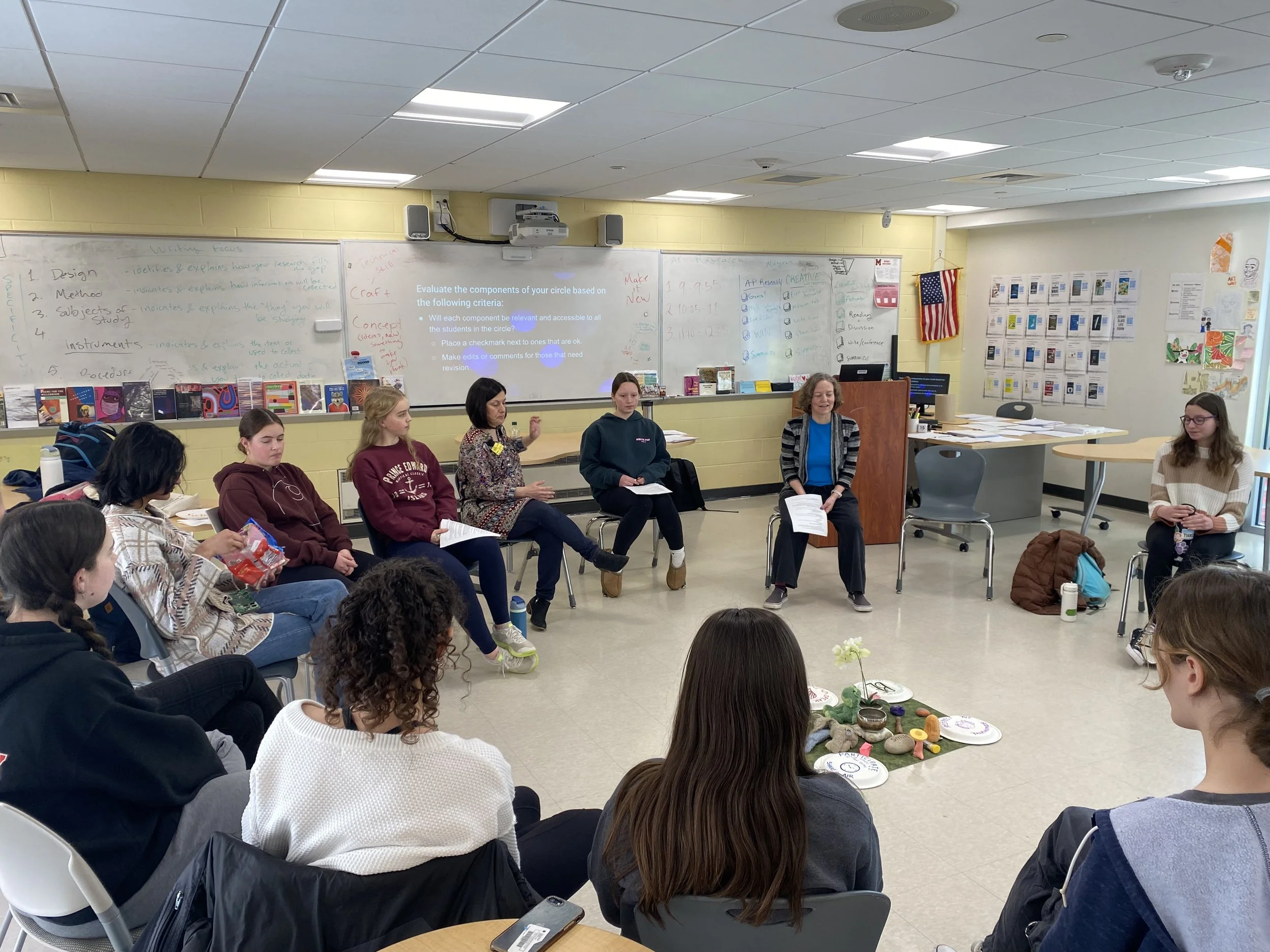
The Value of Utilizing Circles in Academic Classrooms
Incorporating circles into academic classrooms brings a range of benefits, including supporting the goals of SEL and PBIS. A circle can take 10 minutes at the beginning or end of class, or the entire class period if it complements the learning material.

Tips and Tricks for Facilitating Community Building Circles Remotely
This time of quarantine and remote schooling has presented unique challenges for all of us working in fields that typically rely on face-to-face communication. We feel for everyone who has had to shift and adapt their work rapidly while keeping up with the changing demands of this unpredictable situation. As we continue to communicate with one another remotely, we are all doing the best we can to use existing online platforms to enhance relationships and community, which is more essential than ever. And, we have had some wonderful experiences doing just that! Here are some things we have learned about facilitating Community Building Circles on Zoom.