
P2RC Blog
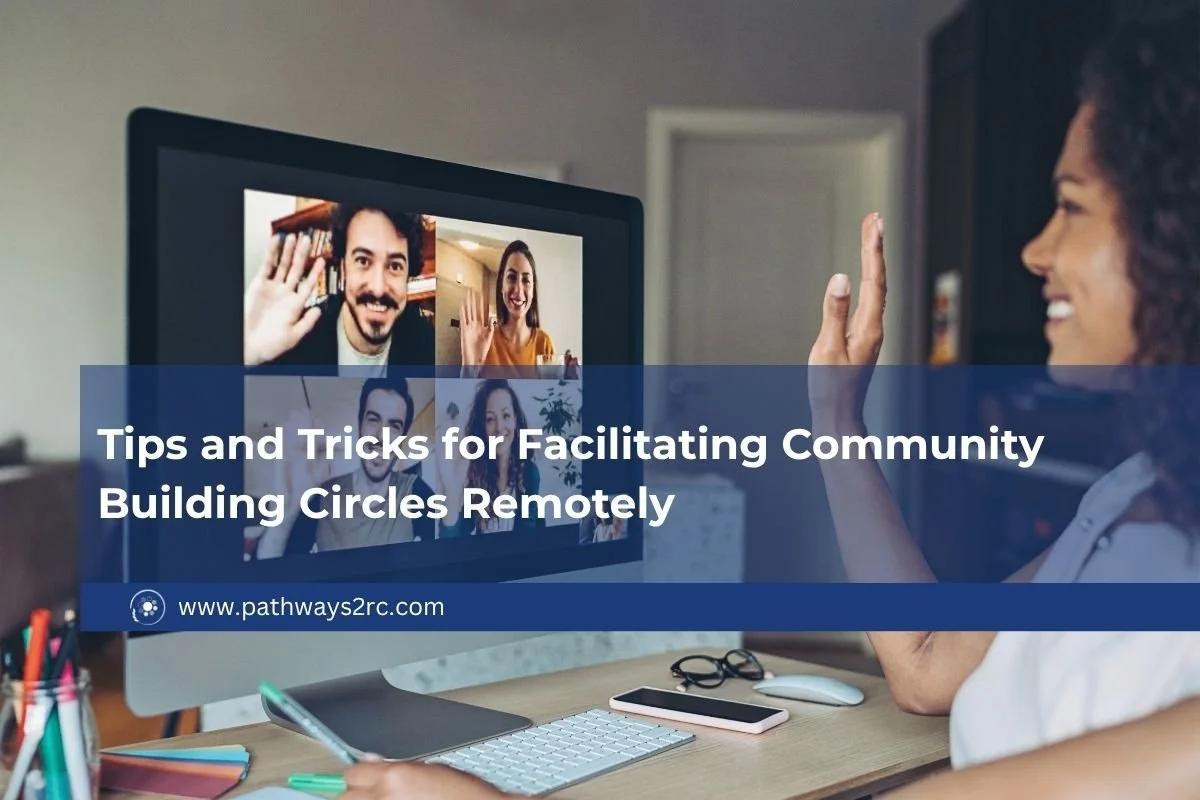
Tips and Tricks for Facilitating Community Building Circles Remotely
We can all agree that community building circles are best done in person, where we can easily note non-verbal cues, “read the room” as we answer prompts, and physically touch the talking piece. That being said, it is entirely possible to hold engaging, warm, and relational community building circles online.
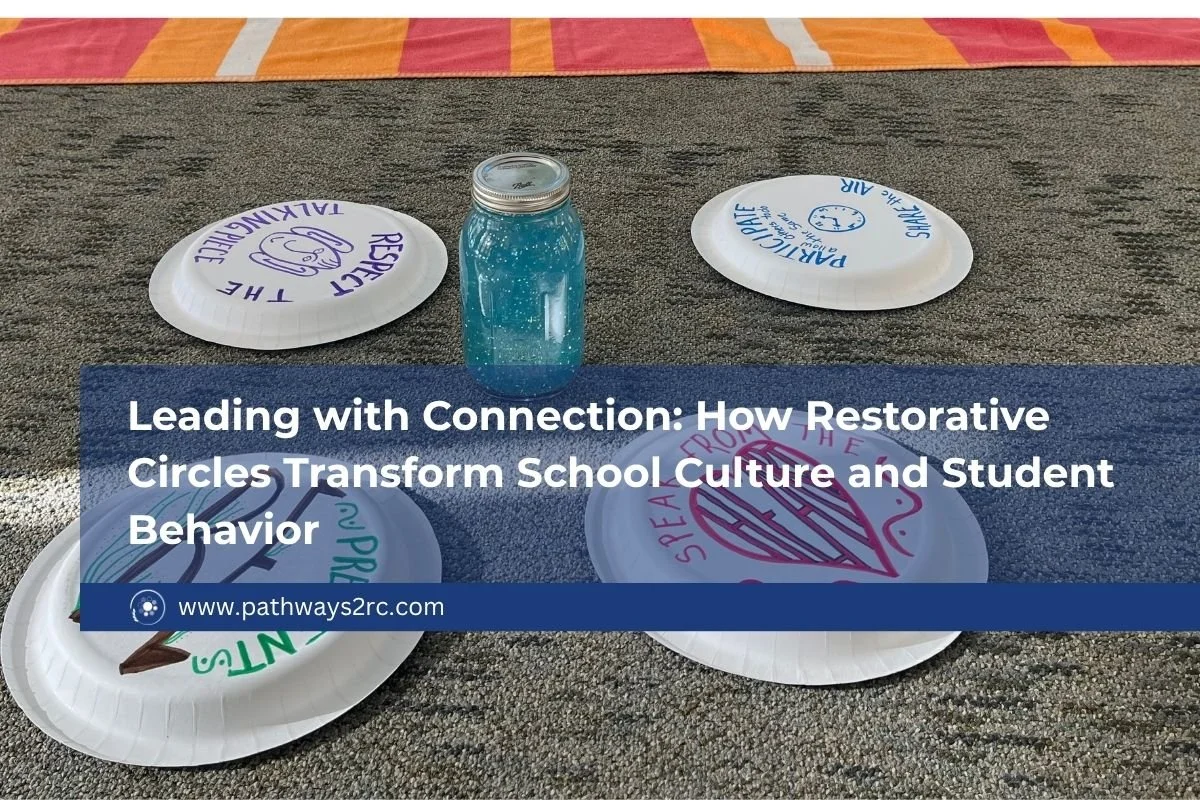
Leading with Connection: How Restorative Circles Transform School Culture and Student Behavior
Circles are not a warm-up or a side activity. They’re essential infrastructure. When we create space for students and educators to connect, reflect, and be human together, we grow the conditions for deep learning and joyful community.
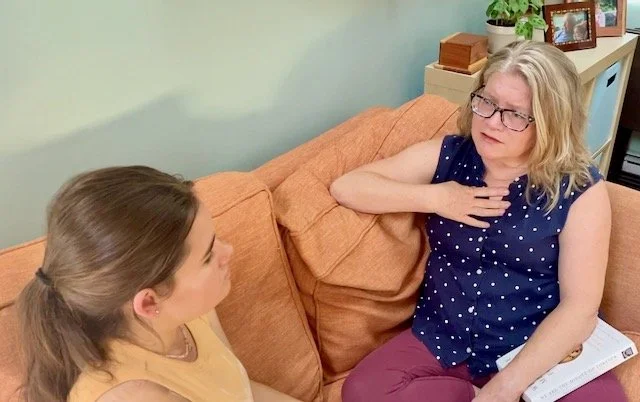
Restorative Practices at Home: Raising Resilient Kids Through Connection and Curiosity
Restorative Practices help to build, maintain, and repair relationships between individuals living, working and functioning as a community. They foster communication and increase mutual understanding and empathy, leading to an overall sense of connection and increasing the capacity to handle conflict in a way that promotes growth and repairs relationships.
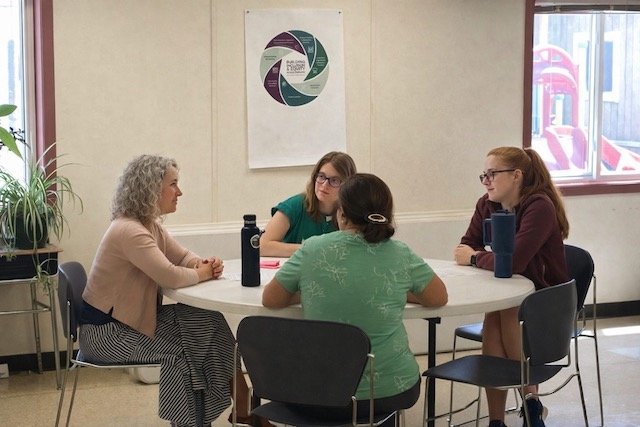
Building Capacity to Address Conflict and Create Community Resiliency
In some cases, our focus becomes to teach Restorative Practices skills to a small group of individuals within the community, so that they are empowered to use these tools as needed going forward. This is capacity building: the process of developing a community’s ability to address issues in a way that will help them fulfill their mission.
The Role of the Circle Keeper
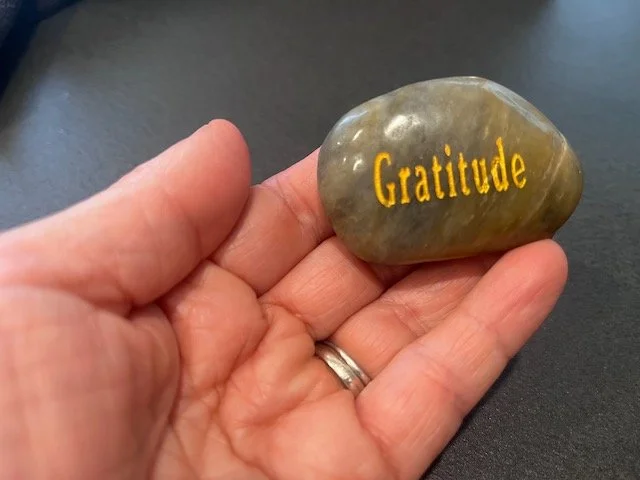
What does it mean to be a Circle Keeper? What do they do and why are they important? In Restorative Practices, both talking circles and circles to address harm are facilitated by a Circle Keeper who is responsible for guiding the group through a process that helps all feel comfortable participating and directs the conversation toward its intended purpose.
How to Create Circle Questions for Classroom Learning
Circles are not just for SEL lessons and Advisory!
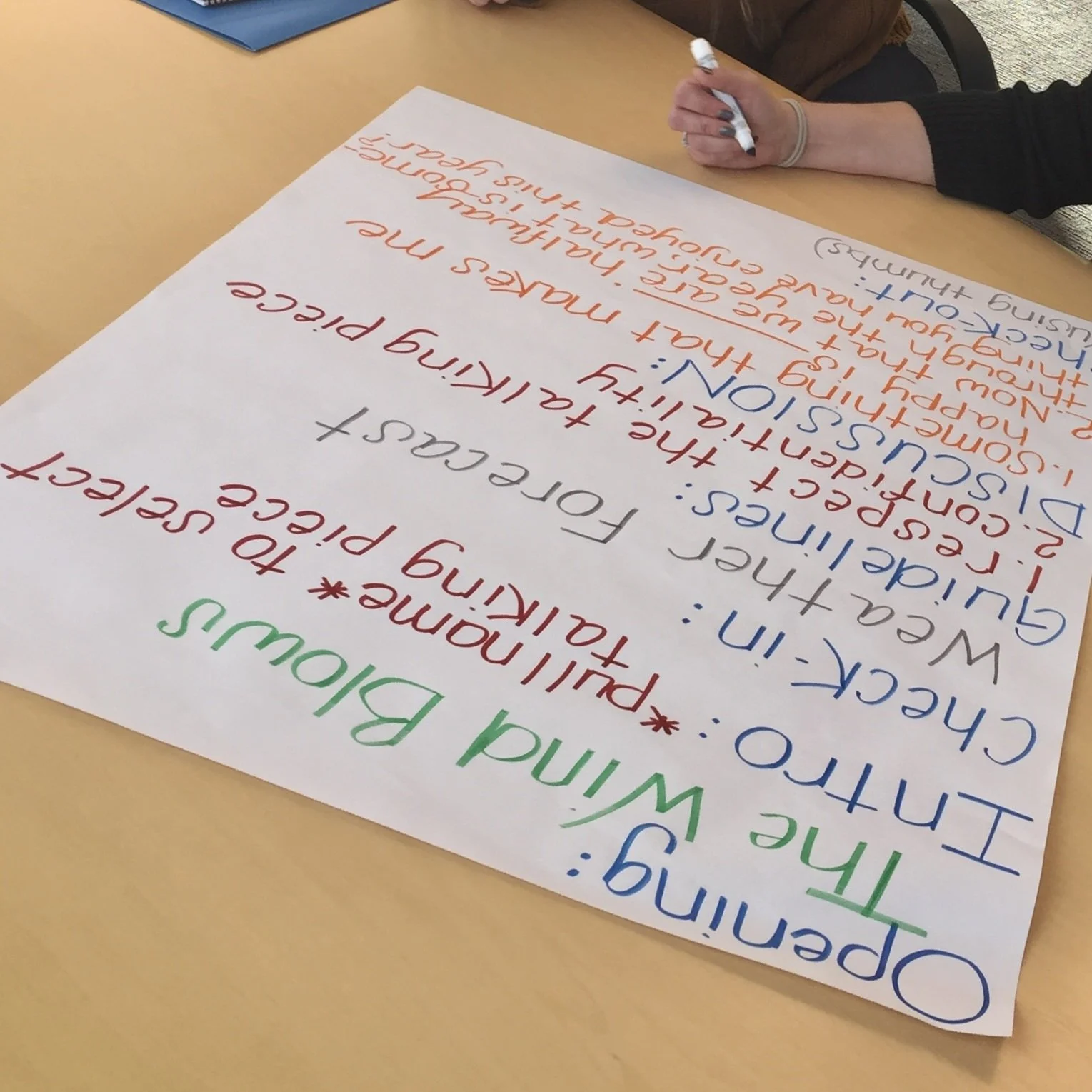
Circle are incredibly versatile. They can be used to discuss content, reflect on learning approaches and learning style, provide structure to both small and large group discussions and give teachers the opportunity to hear from every student.
The Value of Utilizing Circles in Academic Classrooms
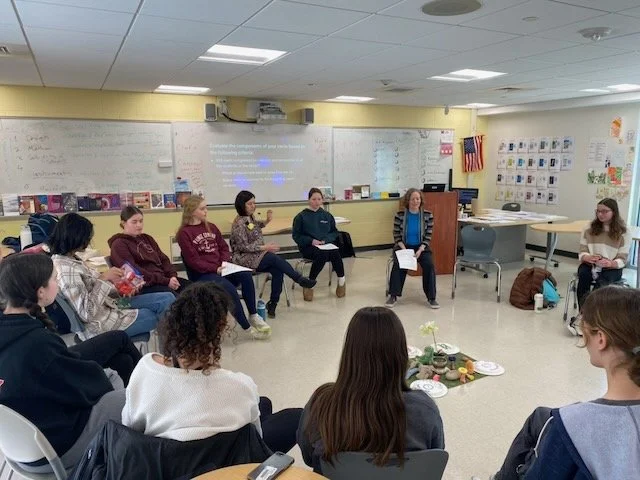
Incorporating circles into academic classrooms brings a range of benefits, including supporting the goals of SEL and PBIS. A circle can take 10 minutes at the beginning or end of class, or the entire class period if it complements the learning material.